Have you ever seen someone drop their groceries and no one stops to help? Or maybe you have watched a person trip on the sidewalk while everyone around just keeps walking. It can feel confusing, even a little sad. You might think, “Why is nobody doing anything?” Well, psychologists who study behavior have a name for this. They call it the bystander effect. It is one of the most famous ideas in research psychology, and it helps us understand why people sometimes do nothing when someone needs help.
The bystander effect happens when a bunch of people are around, but nobody steps in to help. You would think that with more people, it would be easier for someone to act. But actually, the opposite is true. The more people that are present, the less likely any one person is to help. That sounds backwards, right? Psychologists have done many studies to figure out why this happens, and they found two big reasons.
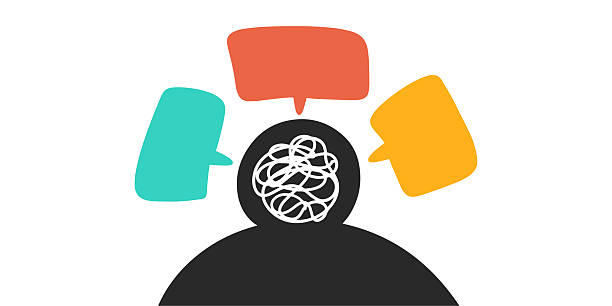
First, there is something called diffusion of responsibility. That is a fancy term, but it really just means that when you are in a crowd, you think someone else will take care of it. You tell yourself, “Oh, there are ten other people here. One of them will call for help.” The problem is, everyone else is thinking the same thing. So nobody does anything. Second, there is social influence. This is when you look around at other people to see how to act. If everyone else seems calm and is not helping, you start to think, “Well, this must not be an emergency.” You follow the crowd, even if the crowd is wrong.
One of the most famous real-life cases that got psychologists interested in this happened in 1964 in New York City. A young woman named Kitty Genovese was attacked outside her apartment building. News reports said that many people heard her screams but did not call the police or come to help. Later, psychologists John Darley and Bibb Latané wanted to understand why. They did experiments where they put people in rooms and pretended someone was having a seizure. They found that when someone was alone in the room, they almost always helped. But when there were other people in the room, people were much slower to help or did not help at all. This was one of the first scientific proofs of the bystander effect.
Now, you might be wondering, “What does this have to do with me?” Well, understanding the bystander effect can actually change how you act. Once you know about it, you can fight it. For example, if you see someone who needs help, you can remind yourself that everyone else is probably waiting for someone to go first. You can be that someone. It also helps to be direct. Instead of yelling “Someone call 911,” you can point to a specific person and say, “You in the red shirt, please call 911.” That breaks the diffusion of responsibility. That one person now knows it is their job.
Psychologists who study behavior use the bystander effect to learn about human nature. It is not that people are mean or uncaring. It is just that our brains take shortcuts in groups. We rely on others to tell us what to do. That can be helpful in safe situations, but it can be dangerous in emergencies.
If you are thinking about a career in psychology, or even just curious about why people act the way they do, the bystander effect is a great place to start. It shows how research psychology is not just about theories in a textbook. It is about real life. It is about you and me. Next time you are in a crowd and someone drops their books, you will know what is happening in everyone’s head. And maybe you will be the one to bend down and help first.