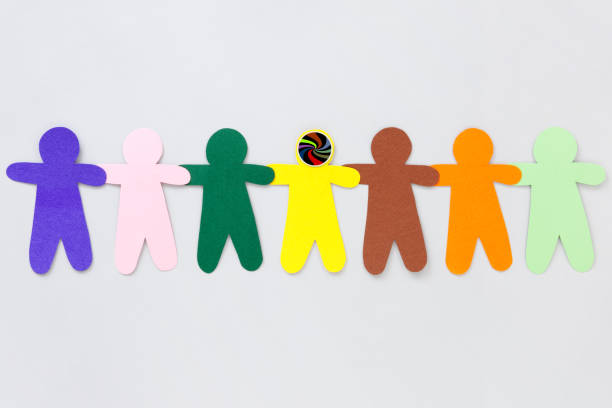
You know how some days you just feel like you want to crawl under a blanket and hide? Maybe you had a rough morning at home, or you argued with a friend, or you just feel sad for no reason. For kids in school, those tough feelings can make it really hard to focus, make friends, or even just get through the day. That is where a school social worker steps in. Think of them as a friendly grown-up who is there just to help kids with the stuff that feels heavy.
I used to think that school social workers only helped with really big problems, like a kid getting in fights or dealing with a family crisis. But the truth is, they help with all kinds of everyday feelings too. Maybe a kid feels lonely because they don’t have anyone to sit with at lunch. Maybe a kid gets really angry when they don’t get what they want. Or maybe a kid feels so nervous about a test that they can’t even start. A school social worker is someone who listens without judging and helps kids figure out what to do.
Let me tell you about something called emotional regulation. That is just a fancy way of saying learning how to handle your feelings so they don’t take over. Kids are not born knowing how to do this. They need to learn it, just like they learn math or reading. A school social worker might teach a kid a trick like taking three deep breaths when they feel mad, or squeezing a stress ball when they feel worried. They might help a kid find words to say what they are feeling, like “I am frustrated because I don’t understand this worksheet.“ When a kid can name a feeling, it becomes smaller and easier to deal with.
School social workers also help kids who are going through hard times at home. Maybe a parent is sick, or the family lost their home, or there is a lot of yelling. Kids often carry those worries with them into the classroom. They might have trouble sleeping, or they might get into trouble because they are distracted. A social worker can be the one safe person a kid can talk to. They can also connect the family with resources, like a food bank or counseling. They do not fix everything, but they make sure a kid does not have to face it alone.
Another big part of school social work is helping kids get along with others. You have probably seen kids tease each other or leave someone out. That hurts. A social worker might run a small group where kids practice being kind and respectful. They might teach how to share, how to ask to join a game, or how to say sorry in a real way. These skills help kids build friendships that last. And when kids feel liked and included, their whole world gets brighter.
One thing I love about school social workers is that they work with the whole school, not just one kid. They might train teachers on how to spot a kid who is struggling. They might help the principal create a calm-down corner in the hallway. They might even lead a school-wide assembly about being a good friend. Their job is to make the whole school a place where every kid feels safe and ready to learn.
If you are thinking about becoming a school social worker, you might be wondering what kind of person does this job. You do not need to be a superhero. You just need to be a good listener, have patience, and care about kids. You will learn things like how to talk to a child who is crying, how to stay calm when a kid is yelling, and how to celebrate the small wins. And those wins are amazing. Maybe it is a kid who finally smiled after weeks of feeling sad, or a kid who raised their hand in class for the first time. Those moments are why people choose this path.
School social workers are not there to punish kids or send them to the office. They are there to help kids understand their feelings, feel less alone, and find better ways to cope. It is a job that makes a difference one kid at a time. And every kid deserves that kind of support.