Have you ever felt like you are giving your partner everything, but they still don’t feel loved? Or maybe you’ve tried so hard to show you care, but it just doesn’t land the way you hoped. If that sounds familiar, you are not alone. Many couples struggle with this same problem. The good news is that there is a simple idea that can make a huge difference. It’s called love languages.
Love languages are the different ways people give and receive love. The idea was made popular by a man named Gary Chapman. He said that everyone has a main way they feel loved. When your partner speaks your love language, you feel happy, safe, and close. When they don’t, you might feel lonely or upset, even if they are trying their best. Understanding this can help couples work out their problems and build stronger bonds.
There are five main love languages. The first is words of affirmation. This means hearing kind and encouraging words. If this is your love language, you feel loved when your partner says “I’m proud of you” or “You mean so much to me.” A simple compliment can make your whole day. The second is acts of service. This is about doing helpful things for your partner. Maybe they make you coffee in the morning, fill up your car with gas, or do the dishes when you’re tired. For someone whose love language is acts of service, actions really do speak louder than words.
The third love language is receiving gifts. This one is not about being greedy or materialistic. It’s about the thought behind the gift. A small present, like a favorite snack or a flower picked from the yard, can show someone you were thinking about them. The fourth is quality time. This means giving your partner your full, undivided attention. No phones, no TV, just you and them, really listening and being together. For these people, spending time together feels like the ultimate sign of love.
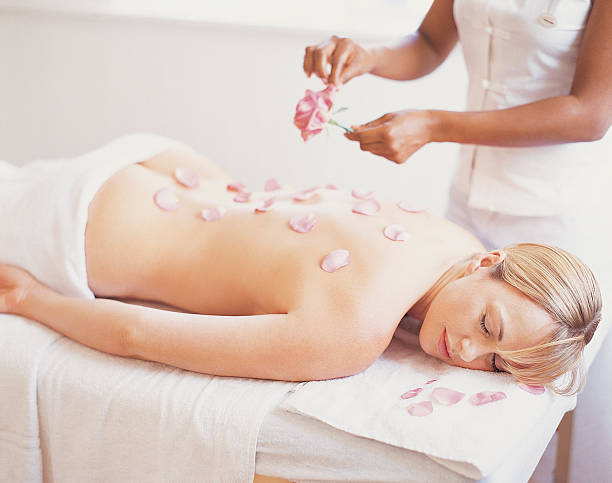
The fifth love language is physical touch. This includes hugging, holding hands, kissing, and even just sitting close on the couch. For someone with this language, physical closeness is how they feel safe and connected. When they don’t get enough touch, they can feel rejected or distant.
Now, here is where it gets tricky. Most people try to show love the way they want to receive it. So if your love language is acts of service, you might clean the whole house hoping your partner will feel loved. But maybe their love language is words of affirmation, so they don’t even notice the clean house. They just wish you would tell them you love them more. So both of you are trying hard, but both of you feel unloved. That’s a recipe for frustration and fights.
This is exactly where a counselor can help. When you work with a couples counselor, one of the first things they might do is help you both discover your love languages. It’s simple. You can even take a free quiz online. Once you know your own and your partner’s language, you can start to make small changes. If your partner’s language is quality time, you might schedule a weekly date night with no distractions. If it’s physical touch, you might make a point to give them a hug every time you walk by.
A counselor can also help you talk about these things without blame. Instead of saying “You never make me feel loved,” you can say “I feel most loved when you spend time with me. Can we try that?” That small shift changes everything. The counselor keeps the conversation safe and focused on solutions, not on who is wrong.
Learning love languages is not a magic fix. It takes practice and patience. But it is one of the most powerful tools for helping couples work it out. It teaches you to see love from your partner’s eyes. It reminds you that love is not about what you give, but what the other person receives. And when both people feel truly loved, the whole relationship grows stronger.
If you are thinking about becoming a counselor, learning about love languages is a great start. It is something you can use with every couple you meet. It helps people feel understood, heard, and cared for. And that is what counseling is really all about. Helping people connect in a deeper way. So whether you are looking to help yourself or help others, understanding love languages can open the door to better relationships.