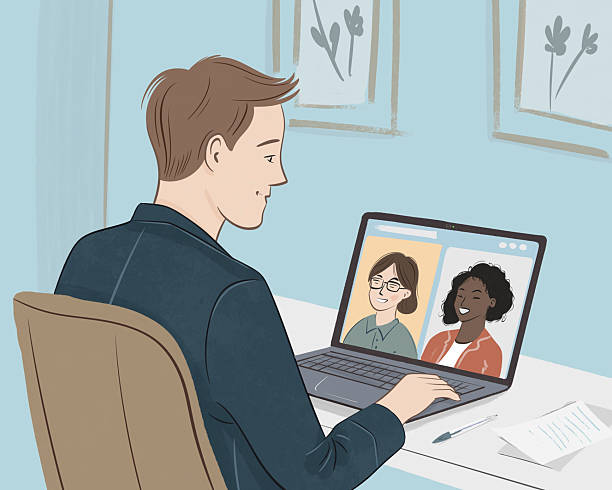
So you are thinking about getting a degree to become a therapist, counselor, or some kind of helper. And you heard about hybrid programs. That is where you do most of your classes online, but you also have to go to a real place for hands-on training. It sounds like the best of both worlds, right? You get the flexibility of learning from home, but you also get to practice with real people. That is pretty cool.
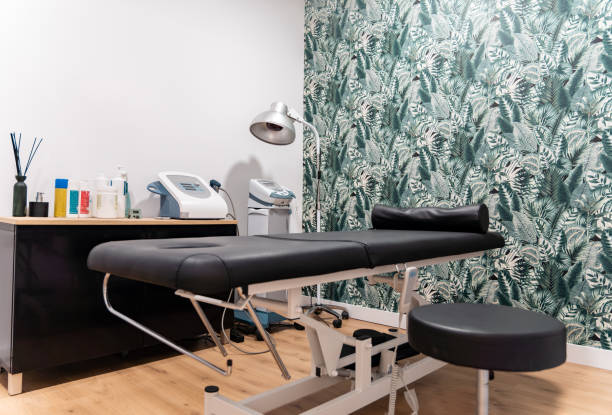
But let me be straight with you. That in-person part? It can be scary. I remember when I first had to walk into a clinic for my clinical hours. My hands were sweating. I kept thinking, “What if I say the wrong thing? What if I freeze up?” Maybe you feel that way too. That is totally normal. The good news is you can build confidence. It just takes a few simple steps. And I want to share them with you like a friend giving advice over coffee.
First, remember why you chose this path. You want to help people. Maybe you have been through tough times yourself, or you just have a big heart. That reason is your anchor. When you feel nervous, remind yourself that everyone who starts out feels nervous. Even the best therapists were once beginners. They had to learn how to listen, how to ask questions, and how to sit with someone who is hurting. You will learn those things too. It just takes time.
Next, prepare before you go. In a hybrid program, you get to watch videos and read about how to talk to clients before you ever meet one. Use that. Practice with a friend or even in front of a mirror. Say out loud what you might say to someone who is sad or anxious. It might feel silly at first, but it helps. The more you practice, the more natural it will feel. Think of it like learning to ride a bike. You do not just hop on and go. You wobble. You fall. But you get up and try again. Soon you are riding without even thinking.
Also, talk to your teachers or supervisors. They are there to help you. In a hybrid program, you might only see them in person during those clinical days. So use that time. Ask them questions. Tell them you are nervous. They have seen hundreds of students just like you. They will give you tips and encouragement. And they will probably tell you that you are doing better than you think.
Another thing that helps is setting small goals. Do not try to be perfect. Just aim to be present. For example, your first day, maybe your only goal is to introduce yourself and listen for five minutes. That is a win. Next time, try to ask one good question. Little by little, you will build up your skills. Each small success will give you a boost.
Also, remember that your clients are nervous too. They are coming to you because they need help. They do not expect you to be a perfect expert. They just want someone who cares. And you care. That is the most important thing. When you focus on them instead of yourself, your own nerves will fade. You will find yourself listening naturally, and the words will come.
Finally, be kind to yourself. You are learning a new skill, and it is okay to make mistakes. Even experienced therapists make mistakes. The difference is they learn from them and keep going. So if you stumble over a word or forget what to say, just take a breath. Smile. Say, “Let me think about that for a second.” Nobody is timing you. You are in a safe space to practice.
Hybrid programs are great because they let you learn at your own pace online, but the real magic happens in person. Those face-to-face moments are where you grow into a real helper. And the confidence you build there will stay with you for your whole career. So take a deep breath. You have got this. One step at a time, one client at a time, you will become the therapist you want to be.