Imagine you are walking down the street and you see someone who is yelling at nobody, crying really hard, or seems totally lost and scared. Maybe they are sitting on the ground with their head in their hands, and people are just walking by. What do you do? Who helps? A lot of times, the person who shows up is a social worker. Social workers are trained to handle these tough moments. They are the ones who step in when a mental health crisis happens, and they do it in a way that tries to keep everyone safe and calm.
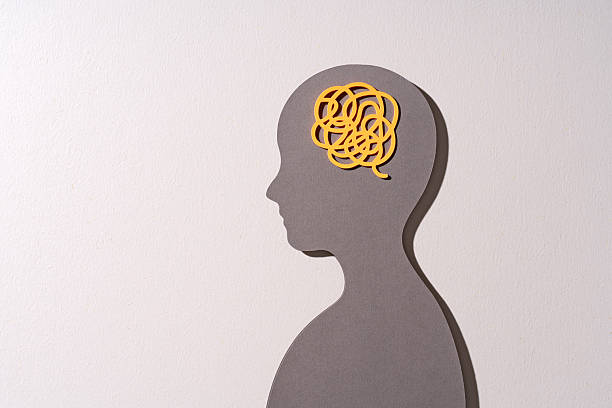
A mental health crisis can look different for different people. It might be someone who is feeling so sad they can’t get out of bed. It might be someone who is hearing voices that aren’t there. It could be a person who is thinking about hurting themselves or someone else. Or it could be someone who is just really, really scared and doesn’t know what to do. The common thread is that the person is struggling to cope, and they need help right now. Social workers are trained to recognize these signs and know the best way to respond.
One of the first things a social worker does in a crisis is to stay calm. That might sound simple, but it is actually really hard. When someone is upset, it can make you feel upset too. But social workers practice staying cool. They take a deep breath, lower their voice, and slow down their movements. They don’t rush in yelling or grabbing. Instead, they give the person space and try to connect. They might say something like, “My name is Maria. I’m here to help you. Can you tell me your name?“ That simple start can make a huge difference.
Social workers also use something called active listening. That means they really pay attention to what the person is saying, not just the words but the feelings behind them. They might repeat back what they hear, like, “It sounds like you are really scared right now. Is that right?“ That lets the person know they are being heard. And when someone feels heard, they start to calm down a little. It is like a pressure valve releasing.
Another big part of crisis response is safety. Social workers look around to see if the person is in a dangerous place, like near traffic or on a bridge. They try to move the person to a quieter, safer spot. They also check if the person has anything that could hurt themselves or others, like a knife or pills. But they do this gently, not by grabbing or accusing. They might say, “I see you have a bottle of pills. Can you put that on the ground for me so we can talk?“ This is called de-escalation. The goal is to lower the tension without making the person feel attacked.
Sometimes, a social worker will call for backup. This might mean getting a mental health team that includes a nurse or a doctor, or it might mean calling the police if the person is a danger to themselves or others. But social workers try really hard to keep the person out of jail because jail is often not the right place for someone having a mental health problem. Many cities now have special teams where a social worker goes out with a police officer. The social worker handles the mental health part, and the officer handles safety. This is called a Crisis Intervention Team (CIT). It works better than sending only police, who might not understand mental illness.
Once the immediate danger is over, the social worker does not just walk away. They help the person get connected to longer-term help. Maybe that means a ride to a hospital or a crisis center. Maybe it means calling a family member or a friend. Maybe it means setting up an appointment with a counselor for later in the week. Social workers make sure the person has a plan for what to do next. They also give the person a card with a hotline number, like the 988 Suicide and Crisis Lifeline. That way, if the person feels bad again, they have someone to call.
It is important to know that social workers do not judge the person in crisis. They understand that mental health problems are like any other health problem. No one chooses to have a panic attack or to hear voices. Social workers see the person first, not the illness. They treat everyone with respect, even if the person is acting in a way that seems scary or strange. That respect can be the thing that turns a bad moment into a chance for healing.
If you are thinking about becoming a social worker, responding to crises is a big part of the job. It is not always easy. You will see people at their worst moments. But you will also see them get better. You will be the one who helps them through the storm. And that is a pretty amazing thing to do. You do not need to be a superhero. You just need to be kind, calm, and willing to listen. That is what social workers do every day when a mental health crisis hits.