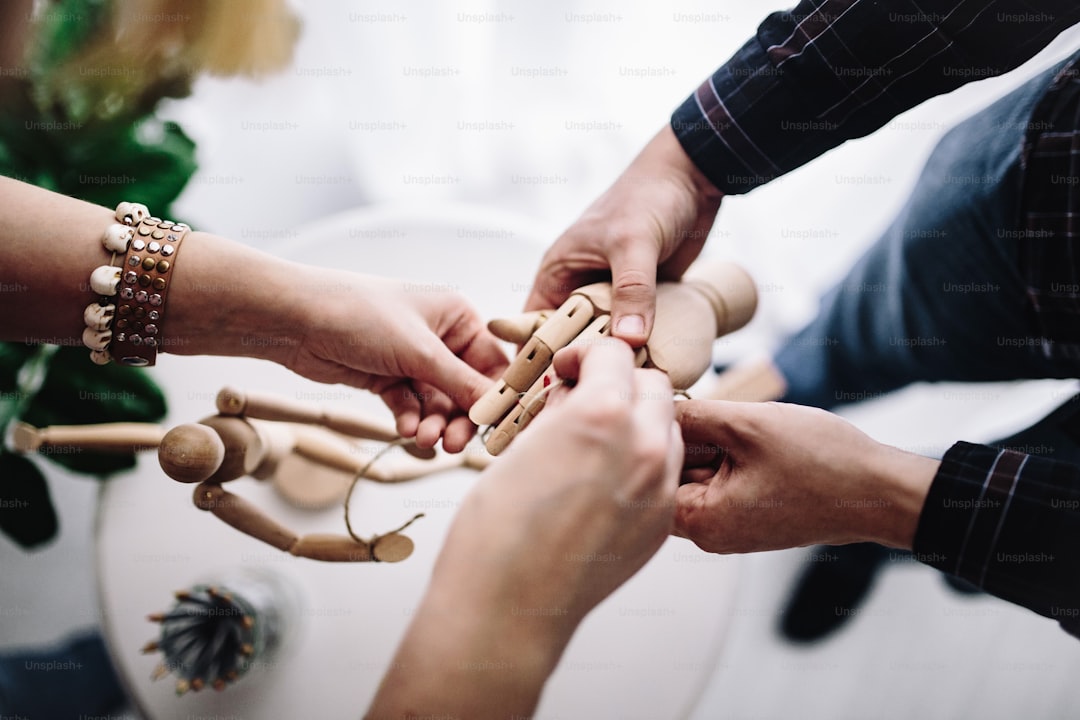
Have you ever looked around your neighborhood and thought, “Something here just isn’t right”? Maybe the park is falling apart, or there aren’t enough buses to get people to work, or too many families can’t find a safe place to live. It’s easy to feel small when you face big problems like these. But here’s the good news: you don’t have to fix everything alone. That’s where community organizing comes in. It’s a powerful way that people like you and me come together to make big, lasting changes in our towns, cities, and even the whole country.
Community organizing is a big part of what social workers call “macro social work.” Macro just means the big picture. Instead of helping one person at a time, macro social workers look at whole systems—like schools, hospitals, laws, and housing. They ask big questions: Why are so many people struggling? What rules or policies are making things harder? And how can we change those rules so everyone gets a fair shake? Community organizing is one of the main ways they answer those questions.
So what does community organizing actually look like? Picture a group of neighbors who are tired of seeing kids play in a dangerous street because there’s no playground. They start talking to each other. They hold a meeting at the local library. They make a list of what they need—maybe a safe park with swings and benches. They figure out who has the power to make that happen, like city council members or the parks department. Then they go to those people together. They bring a petition with hundreds of signatures. They tell their own stories about why a park matters. And they don’t give up until something changes. That’s community organizing in action.
This kind of work takes patience and heart. You have to listen to a lot of people, not just the loudest voices. You have to build trust, especially with folks who have been let down by the system before. And you have to be okay with moving slowly. Real change doesn’t happen overnight. But when it does, it feels amazing. You see a new playground go up, or a bus route get added, or a new law that stops unfair evictions. And you know you helped make it happen, not alone, but together.
Community organizers use a few simple tools. One is listening. You go door to door or set up a table at the farmer’s market and ask, “What’s bugging you? What would make life better?” Another tool is storytelling. A story about a mom who can’t get her sick kid to the hospital because the bus doesn’t run early enough is way more powerful than a list of facts. Organizers also use meetings—not boring ones, but meetings where everyone gets a chance to speak and plan the next move. And they use actions, like rallies or visits to city hall, to show decision-makers that lots of people care.
Why does this matter for you? Maybe you’re thinking about getting into social work. You might want to be a therapist who helps people one-on-one. That’s awesome, and it’s super important. But if you also pay attention to macro social work and community organizing, you’ll see the bigger reasons why some of your clients are struggling. A kid isn’t just having trouble in school—maybe her family can’t afford stable housing. A person isn’t just feeling anxious—maybe their neighborhood has no safe places to walk or play. By understanding community organizing, you can help fix the root causes of those problems, not just the symptoms.
You don’t have to be a professional to start organizing. Anyone can do it. You just need a group of people who share a common problem and are willing to work together. Start small. Pick one issue that bugs you and your neighbors. Talk to people. Find out what they care about. Invite them to a first meeting. Don’t worry if you don’t have all the answers—you’ll learn as you go. And there are lots of resources out there, like books, websites, and local groups that teach organizing skills.
Macro social work is about seeing the whole picture. Community organizing is about rolling up your sleeves and changing that picture for the better. It’s not always easy, but it’s some of the most rewarding work you can do. Because when people come together, they can move mountains—or at least build a playground. So if you’ve ever felt like you want to make a difference but didn’t know where to start, this might be your path. You don’t have to be a hero. You just have to be a neighbor who cares enough to act.