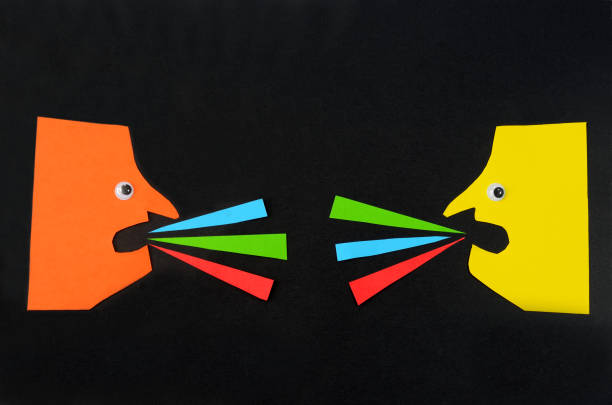
Have you ever had a day when everything just felt like too much? Maybe you fought with a friend, got a bad grade on a test, or felt like nobody understood you. For kids, these tough moments can be really big and hard to handle alone. That is where school counselors come in. These are people who work right inside your school, and their whole job is to help young minds like yours feel better, think clearer, and get through the rough patches.
School counselors are not the same as teachers. They do not give you homework or grade your papers. Instead, they have a cozy office where you can go to talk about anything that is bothering you. Maybe you are worried about your parents fighting at home. Maybe you are being left out at lunch. Maybe you just feel sad for no reason at all. Whatever it is, a school counselor listens without judging you. They do not tell you that your feelings are wrong. They nod, they ask questions, and they help you figure out what to do next.
One of the biggest things school counselors do is help kids manage their emotions. When you are angry, scared, or sad, it is easy to feel like a volcano about to explode. A counselor can teach you simple tricks to calm down, like taking deep breaths, counting to ten, or squeezing a squishy toy. They might even show you how to draw your feelings or write them down in a journal. These skills do not just help in the moment. They become tools you can use for the rest of your life.
Another really important part of a school counselor’s job is helping with friendships and social stuff. You know how sometimes it is confusing to make friends or handle a fight? Counselors can act like a coach for your social skills. They might pull a few kids together to talk about what happened and find a way to fix things. They can also help you understand why someone might have acted mean, and how to stand up for yourself in a kind way. It is like having a guide for the maze of growing up.
School counselors also pay attention to kids who might be struggling more than others. Some kids have really hard times at home. Maybe their family does not have enough money for food, or someone in their family is very sick. Counselors can connect them with people who can help, like food programs or counselors outside of school. They also watch out for kids who seem really sad or angry all the time, because sometimes that means a child needs extra support.
If you love listening to people and want to help kids feel safe and happy, being a school counselor could be an amazing career for you. To become one, you first need to finish high school. Then you go to college and get a degree in psychology or a related field. After that, you need a special master’s degree in school counseling. That takes about two more years. Finally, you have to get a license from your state. It takes a lot of school, but every step teaches you how to really help young minds.
The best part about being a school counselor is that you get to see kids grow and change. You might help a shy kid find the courage to speak up, or help a kid who lost a parent start to smile again. The work is not always easy. Some days are hard, and you have to be patient. But when you see a child walk out of your office with a little more hope in their eyes, it is worth every moment.
So if you are thinking about a career where you can make a real difference in the lives of kids, school counseling might be just the path for you. It is all about being a friendly face, a good listener, and a helper when things get tough. That is something every school needs.