You know how sometimes it’s really hard to put your feelings into words? Even as a grown-up, it can be tough to explain why you are sad or angry. Now imagine being a little kid. You might not even have the words to say “I feel scared” or “I am worried.“ That is where play therapy comes in. It is a special way for counselors to help young children work through their emotions using toys, games, art, and imagination. And the best part? The kid does not have to sit still and talk about their problems. They just get to play.
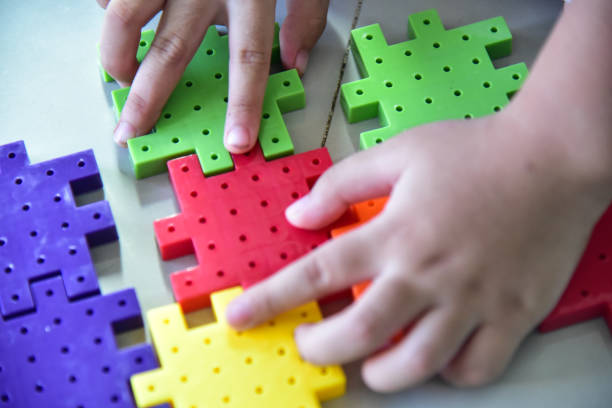
Play therapy is not just goofing around. It is a real type of mental health counseling that has been used for decades. Trained play therapists know that a child’s natural way of communicating is through play. When a child builds a tower with blocks, or makes a doll talk to another doll, or draws a picture of a monster, they are actually telling you something important. They might be showing how they feel about a big change at home, like a divorce or a new baby. They might be showing how they feel about being bullied at school. Or they might just be letting out stress in a safe way.
So how does it work? A play therapist has a special room filled with toys that are chosen on purpose. You will find things like dolls, action figures, puppets, art supplies, sandboxes, and costumes. There are also games that can help a child practice taking turns or handling winning and losing. The therapist watches how the child plays and sometimes joins in. They might say things like, “I see that teddy bear is hiding behind the couch. I wonder if he feels scared?“ This helps the child feel understood without being put on the spot.
One cool thing about play therapy is that it lets kids take control. In real life, kids do not get to make many decisions. Grown-ups tell them what to eat, when to sleep, and where to go. In the playroom, the child is the boss. They get to choose what to play with and how to play. That feeling of control can be very powerful for a child who feels helpless because of something happening in their life.
Play therapy can help with a bunch of different problems. It is great for kids who have gone through something scary, like a car accident or losing a loved one. It helps kids who have trouble making friends or controlling their anger. It can even help kids who have been diagnosed with ADHD or anxiety. The therapist does not just focus on the problem. They focus on the whole child, including their strengths.
You might be thinking, “But does it really work?“ Yes, it does. Studies show that play therapy can lower anxiety, improve behavior, and help kids feel better about themselves. Many kids who go to play therapy start doing better at school and at home. They learn how to solve problems and how to ask for help when they need it.
If you are thinking about becoming a mental health counselor who works with kids, learning play therapy is a great skill to have. It is not just about knowing child psychology. It is about being able to sit on the floor, roll with the punches, and let a child lead the way. You have to be patient and creative. And you have to be okay with not always knowing exactly what the child is saying. Sometimes a kid will build a tall tower and then knock it down. That might mean “I feel angry” or it might mean “I feel like my life is out of control.“ A good play therapist does not jump to conclusions. They stay curious and ask gentle questions.
There are different types of play therapy. One popular one is called child-centered play therapy. In this approach, the therapist trusts the child to heal themselves through play. The therapist just provides a safe space and gives the child lots of encouragement. Another type is called directive play therapy, where the therapist suggests a certain activity to help with a specific issue. Both ways can work, and good therapists mix them up depending on the child.
The bottom line is this: Play therapy meets kids where they are. It does not ask them to act like little adults. It respects their world and their language. For anyone considering a career in counseling, especially with younger clients, learning about play therapy is a must. It can open the door to helping kids heal in the most natural way possible. And in the end, that is what therapy is all about.