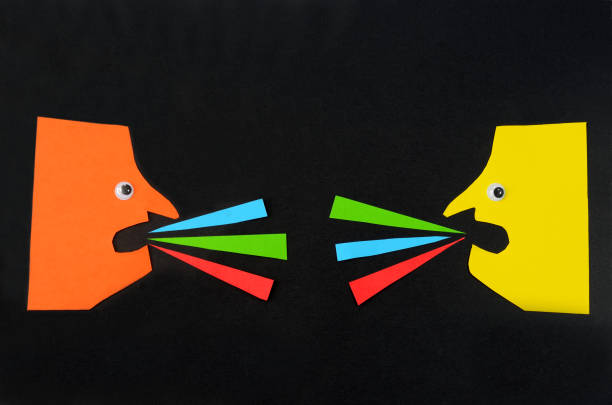
Have you ever watched two people who love each other get stuck in the same argument? A couples counselor is someone who helps them slow down and find a way through. If you like people, listening, and solving problems, this career might fit you. It is not about picking sides. It is about helping two people remember they are on the same team.
As a couples counselor, your day may start with a couple sitting on a couch or across from you on video. They might be quiet and angry. One might talk fast. The other might look at the floor. You welcome them and set a calm tone. You ask questions like, “What did you hope would happen when you said that?” or “When did you first start feeling alone?” These questions do more than fill time. They help partners hear each other in a new way. You may notice patterns. One person brings up money. The other shuts down. One wants more time together. The other feels crowded. Your job is to help them see the pattern without blaming each other.
You also teach skills. You might show a couple how to take turns talking. You might ask them to repeat back what they heard before they answer. This simple move can stop a fight from spinning. You might help them use “I feel” statements instead of “You always” statements. You might help them set a time to talk when they are not tired or hungry. These tools are small, but they can change a home. Couples counselors do not fix people. They help people build better ways to talk, listen, and solve problems.
The work is not always heavy. Sometimes couples come in because they want to feel close again. They may have stopped going on dates. They may have forgotten how to laugh. You might ask them to remember a happy day. You might help them plan a simple weekly check-in. Seeing a couple leave your office holding hands or just smiling a little can feel like a win.
If you want this career, you need to be patient. You need to be kind. You need to be curious. You cannot be afraid of strong feelings. People may cry, yell, or go silent. You stay calm. You do not take sides. You keep their secrets safe, unless someone is in danger. You also need to know your limits. Some couples need more help than you can give. Some need a doctor, a lawyer, or a pastor. Good counselors connect people to the right support.
Training matters. Most couples counselors start by earning a college degree. Then they get more schooling in counseling or therapy. They practice with a licensed supervisor. They take tests to get a license. The rules are different in each state. It can take a few years. But you do not have to know everything on day one. You learn by watching, asking, and doing. You also keep learning after you start. New research helps counselors get better at helping couples.
A career helping couples work it out can be a good fit if you like deep talks and real change. You will not always see quick results. Some couples need months. Some decide to part ways. Even then, your work can help them split with more respect and less pain. You may help them become better parents or better friends. That matters.
You might work in a private office, a community clinic, a church, or online. You might see couples of all ages and backgrounds. You might help people who are dating, engaged, married, or raising kids. You might help them deal with money, trust, family, work, or health. No two days look the same.
If this sounds like you, start small. Learn to listen without planning your answer. Practice asking open questions. Talk to a counselor about their job. Volunteer at a help line or community group. Take a psychology class. See if the work feels right. Helping couples work it out is not magic. It is a skill. It is a career. And it can be a way to make love a little stronger, one conversation at a time.