Imagine you are a kid, and something hard happened. Maybe you moved to a new school, your parents got divorced, or you feel really worried all the time. Now imagine someone says, “Tell me how you feel.” For a child, that can feel impossible. Words are tricky. Feelings are big and messy. That is where play therapy comes in, and one of the coolest tools in a play therapist’s bag is a simple puppet.
When little kids come to therapy, they don’t usually sit on a couch and talk about their problems like grown-ups do. Instead, they play. Play is their way of talking. And puppets are like little helpers that let kids say things that are too scary or too sad to say out loud. As a future counselor who might work with kids, it is super important to understand why puppets work so well and how you can use them to help children heal.
Think about it this way. When a child holds a puppet, they are not just holding a stuffed animal. That puppet becomes a character. The kid can make the puppet say things that the kid themselves might not want to say. For example, a shy child might make a lion puppet roar, “I am really angry you left!” even though the child would never say that to a parent. The puppet acts like a shield. It lets the child step back and let someone else—the puppet—do the talking. That makes tough conversations feel safe.
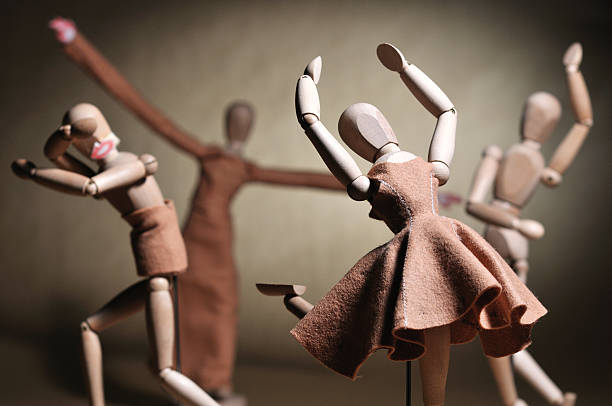
In play therapy, the therapist does not just hand the kid a puppet and say, “Talk.” It is more like a dance. The therapist might have their own puppet, too. Maybe the therapist’s puppet is a scared bunny, and the child’s puppet is a brave bear. They play out a story together. The therapist might say in a funny bunny voice, “Oh no, the bunny is worried about the big test tomorrow.” Then the child’s bear puppet might say, “It’s okay, I will help you study.” Suddenly, the child is practicing how to handle their own fears, but it feels like a game.
Puppets also help kids show feelings they cannot name. A lot of little ones do not know the word “frustrated.” But they know how it feels when a puppet throws itself on the floor and kicks its legs. The therapist can help the child give that feeling a name. “Wow, your puppet is really, really mad. It looks like something is not fair.” Over time, the child learns to recognize their own big feelings because they saw them in a puppet first.
Another amazing thing about puppets is that they let kids try on different roles. A kid who feels powerless at home can become a superhero puppet who saves the day. A kid who is scared of the dark can make a monster puppet that is actually friendly and just wants a hug. By playing out these roles, kids practice new ways to cope. They learn that feelings are not permanent. They can change the story. That gives kids hope.
As someone thinking about a career in mental health counseling, you might wonder how you learn to use puppets the right way. It is not just about having a bunch of puppets on a shelf. You need to watch the child carefully. You need to notice which puppet the child picks and how they treat it. Do they throw it? Hug it? Hide it behind the couch? Every move is a clue. The therapist’s job is to follow the child’s lead and be a gentle guide. You do not force the puppet to talk about anything. You let the child decide when they are ready.
Puppets are also great for teaching new skills. Say a child has trouble calming down when they are upset. The therapist might use two puppets to act out what calm looks like. One puppet breathes slow and counts to five. The other puppet is still freaking out. The child sees the difference and might even try copying the calm puppet. It is like learning through a story instead of a lecture.
The best part? You do not need fancy, expensive puppets. A simple sock puppet with googly eyes works just fine. Some therapists even let kids make their own puppets out of paper bags or old socks. That is even better because the child made it themselves, so it feels extra special.
If you become a child therapist, puppets will be one of your best friends. They break down walls. They make scary things feel silly. They let kids be kids while they work through the hardest stuff. And when a child finally lets the puppet whisper, “I miss my dad,” you know you are helping something important heal.
So next time you see a puppet, do not think of it as just a toy. Think of it as a little bridge between a child’s heart and the world. And if you want to help kids for a living, get ready to become pretty good at puppet voices. It might just change a life.