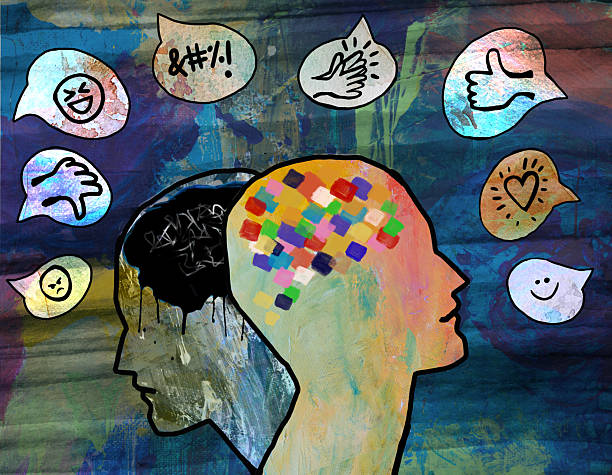
You might think art therapy is all about making pretty pictures. But sometimes, the most helpful part is getting your hands dirty. In art therapy, you are allowed to make a mess. You can smash clay, splatter paint, or tear paper into tiny pieces. And guess what? That mess can actually help you feel a whole lot better inside. When you are dealing with big feelings like anger, worry, or sadness, you do not always have the right words to say. That is where making a mess comes in. It gives your feelings a way out without having to talk about them first.
Let me explain how it works. Imagine you are having a really rough day. Someone was mean to you, or you are stressed about a test, or you just feel down for no clear reason. Your therapist might put a big piece of paper in front of you and say, “Show me how you feel using this red paint.“ At first, you might feel silly. But then you start smearing the paint around with your hands. You push it, spread it, and maybe you make big sloppy circles. Pretty soon, you are moving your whole arm with all your strength. That motion lets out some of the tight energy in your body. You are not thinking about being neat. You are just letting your feelings flow out into the paper. After a few minutes, you might notice your shoulders drop and your breath slows down. The crazy mess on the paper actually made you feel calmer.
That is because making a mess in art therapy is not just playing. It is a way to communicate with your own mind. Your brain does not always store feelings as words. Sometimes, a memory or a worry lives in your body as a knot in your stomach or a tight jaw. When you squeeze a ball of clay or punch a giant lump of dough, you are speaking a language your body understands. Your muscles get to do something with those scared or angry feelings. And once your body lets go, your mind starts to feel lighter. Counselors who study mental health counseling know this trick very well. They use art therapy as a creative approach to help people who have trouble saying what is wrong. Making a mess is like giving your feelings a safe place to land.
Another good thing about making a mess is that it teaches you it is okay to mess up. In art therapy, there is no wrong way to do things. If you spill paint, that is fine. If your clay sculpture looks like a lumpy blob, that is fine too. For a lot of people, this feels super freeing. You might spend your whole day trying to be perfect. You want perfect grades, perfect hair, perfect behavior. But inside, you are exhausted from trying so hard. Art therapy gives you a break from that. You can make the messiest thing you want, and your therapist will not judge you. In fact, they might ask you what it feels like to let go of control. That question can help you notice how good it feels to stop worrying about being perfect all the time. You learn that being messy does not make you a bad person. It just makes you human.
Sometimes, making a mess helps you understand a problem better. Let us say you are upset about a fight with a friend. Your therapist gives you some magazines, scissors, and glue. You start cutting out pictures of things that remind you of that friend. Then you start tearing some of them up. Then you grab a glue stick and go wild, sticking torn pieces all over a big board. As you work, you might realize you are mad because your friend broke a promise. You did not see that clearly before. The act of cutting and ripping helped you find the real issue. Art therapy often works this way. Your hands figure things out before your brain does. That is why counselors use this creative tool. It is not about making a masterpiece. It is about getting to the root of what is bothering you.
Finally, making a mess in art therapy can make you feel powerful. When you are dealing with things that scare you or make you sad, you might feel small and weak. But when you squeeze, smash, and splatter, you are taking charge of the materials. You decide how hard to press and what colors to mix. You are the boss of your own creation. That feeling of being in control can remind you that you also have some control over your life. You cannot fix everything, but you can choose how to express yourself. And that is a huge step in mental health counseling. So next time you picture art therapy, do not just think of neat drawings and pretty paintings. Think of throwing globs of paint, stomping on clay, and making the biggest mess you can. That mess might be exactly what your mind needs to feel clean and clear again. So go ahead, make a mess on purpose. Your heart will thank you.