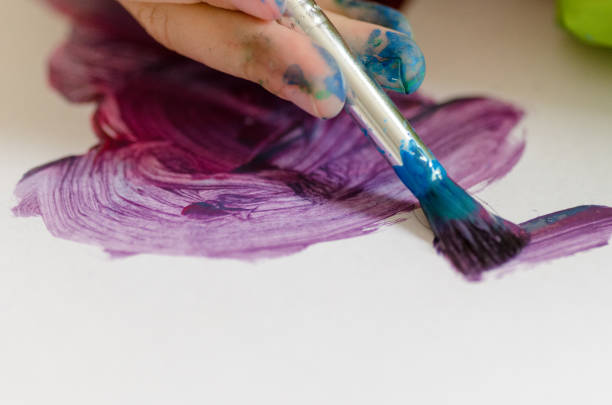
If you are looking for a career that truly makes a difference, and you believe in the power of creativity, then art therapy might be your calling. This is not about becoming a famous artist. It is about using the creative process to help people heal. For someone thinking about starting or changing their career, becoming an art therapist is a powerful way to enter the world of mental health counseling.
So, what is it exactly? Art therapy is a type of therapy. It uses simple art making—like drawing, painting, or sculpting—as its main tool for communication. Many people, especially kids or those who have been through trauma, find it hard to talk about their feelings. Words can fail them. But colors, shapes, and textures can become a new language. As an art therapist, you guide people to use this language to explore their emotions, reduce stress, and understand themselves better. You are a mental health counselor who uses a paintbrush instead of just a notepad.
Think about it this way. When a person creates art in a safe space with a trained therapist, they are not just making a picture. They might be working out anger, expressing deep sadness, or mapping a path to hope. The art object itself is important, but the real focus is on the person’s experience while making it and the insights that come after. Your job is to be there, to support them, and to help them understand what their creation might be saying about their inner world. It is direct, it is hands-on, and it often gets to the heart of the matter faster than talk alone.
Now, how do you turn this into a real career? This is where your journey with TherapyDegree.com begins. You cannot just call yourself an art therapist. This is a protected career that requires specific training and credentials. Your path will mix two big areas: mental health education and art skills. First, you will need a strong foundation. Most people start with a bachelor’s degree in psychology, counseling, or fine arts. This is your first step to understanding the human mind or honing your creative skills.
The real training comes next. To practice as a professional, you will need a master’s degree in art therapy or a related field like counseling with a focus on art therapy. These are the degree programs you should search for. A good master’s program will teach you all about mental health, how people develop, different types of therapy, and of course, the special techniques of art therapy itself. You will also get lots of hands-on job training through supervised internships. Here, you will work with real clients under the watchful eye of a licensed professional. This training is everything—it turns book knowledge into real skill.
After your master’s degree, you will need to get a license to practice as a counselor or therapist in your state. The rules are different everywhere, so you will need to check what your state requires. Many art therapists also get a special credential from the Art Therapy Credentials Board to show they are experts in this specific field. This whole process takes dedication, but it prepares you to do this important job well and ethically.
Where can you work? The answer is almost anywhere people need help. Art therapists work in hospitals, schools, mental health clinics, nursing homes, and even in private practice. You could help veterans deal with trauma, guide children with autism to communicate, or support adults fighting addiction. You are a mental health counselor, and your office is a creative studio. If you want a career that is never boring, that touches lives in a deep way, and that values creativity as a tool for healing, then art therapy deserves a long, hard look. Start exploring those degree types and training programs today. Your future in therapeutic help could be a masterpiece in the making.