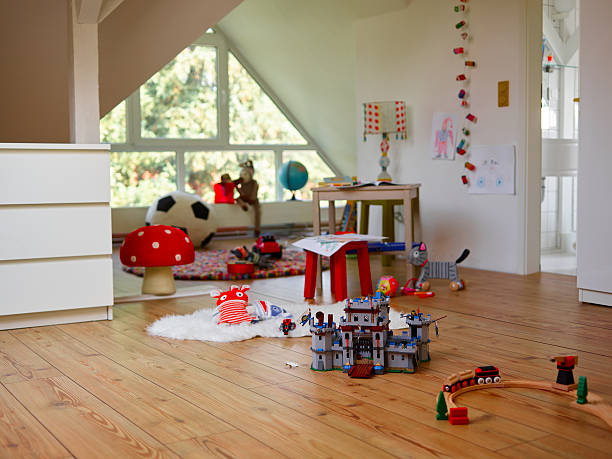
Have you ever tried to talk to a child about something really hard, only to get a shrug or a “I don’t know”? Maybe the kid just goes quiet, or starts playing with a toy instead of answering. That’s normal. Children don’t always have the words to explain what they’re feeling inside. That’s where play therapy comes in. Play therapy is a special kind of mental health counseling that uses toys, games, art, and sand to help kids talk about their worries without needing grown-up language. If you are thinking about becoming a counselor who works with younger clients, understanding play therapy is a big part of the job.
Think about it this way. When you feel upset, you might tell a friend or write in a journal. But young children’s brains aren’t fully developed for that kind of talking yet. Their main way of learning and communicating is through play. A child who has been through something scary or sad might not be able to say, “I feel anxious when my parents argue.” But they might pick up two action figures and make them fight, or build a hiding spot in the sandbox. That is their way of showing you how they feel. A play therapist is trained to watch that play and gently help the child make sense of it.
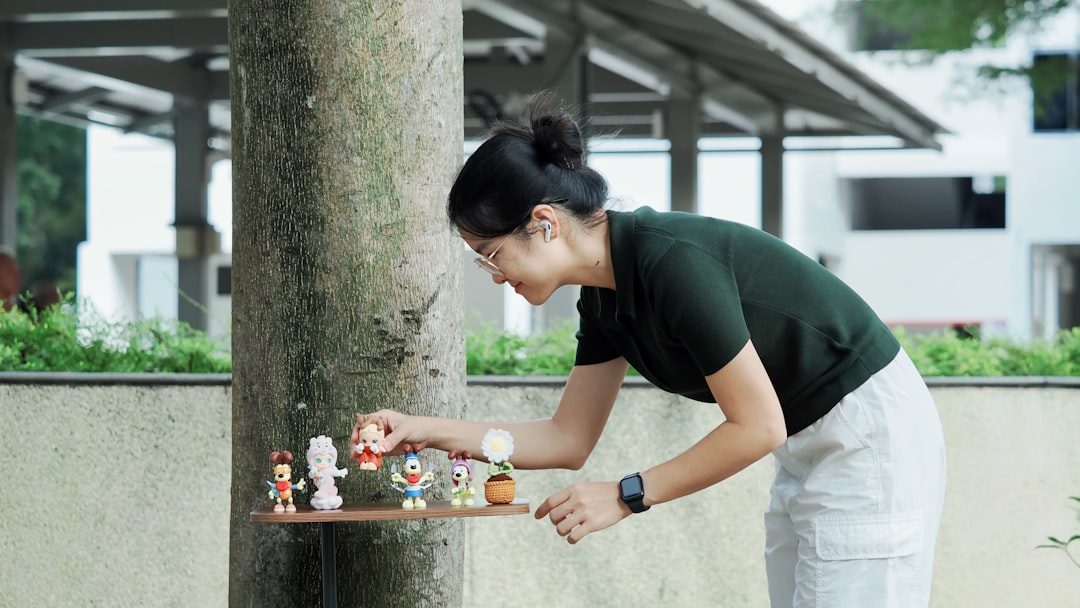
One common tool in play therapy is the sand tray. Imagine a shallow box filled with soft, clean sand. Around it are shelves of miniatures — tiny people, animals, trees, cars, fences, and even monsters. The therapist invites the child to pick whatever they want and arrange the sand however they like. There are no rules. Some kids build a happy farm with a family. Others create a scary scene with dinosaurs and storms. The therapist doesn’t judge or say, “That’s bad.” Instead, they might ask soft questions like, “What is that dinosaur feeling?” or “Where does the little girl want to go?” Through this, the child starts to tell a story — maybe a story that mirrors their own life. The sand tray gives them a safe place to put big feelings like anger, fear, or sadness, where nobody will get hurt.
Another powerful tool is using puppet shows. A child might give a puppet a silly voice, then have that puppet say something angry or sad. The child is really talking about themselves, but through the puppet, it feels less scary. The therapist can then speak to the puppet, not the child, which takes the pressure off. Over time, the child learns that all feelings are okay to share, and that someone is there to listen.
Play therapy isn’t just about having fun, though fun is a big part of it. It is a serious, research-backed way to help children heal from trauma, anxiety, grief, and even behavior problems. For example, a child who acts out at school might be dealing with big emotions they don’t know how to handle. In play therapy, they can act out those emotions safely. The therapist might help them learn new ways to cope, like taking deep breaths or asking for a hug, by practicing with toys first.
If you want to work as a mental health counselor with kids, you will need to learn how to do play therapy properly. Most programs require special training and a license. But once you learn, you get to be the kind of helper who meets children right where they are — on the floor, building castles or dressing up dolls. That personal, direct connection is incredibly rewarding. You get to watch a child go from being scared and quiet to smiling and confident, all because you gave them a way to play out their feelings.
So if you are looking for a career where you can truly make a difference in young lives, consider play therapy. It is not about fancy words or long lectures. It is about grabbing a toy, sitting on the carpet, and letting the child lead the way. That is how healing happens — one sand castle, one puppet show, one tiny dinosaur at a time.