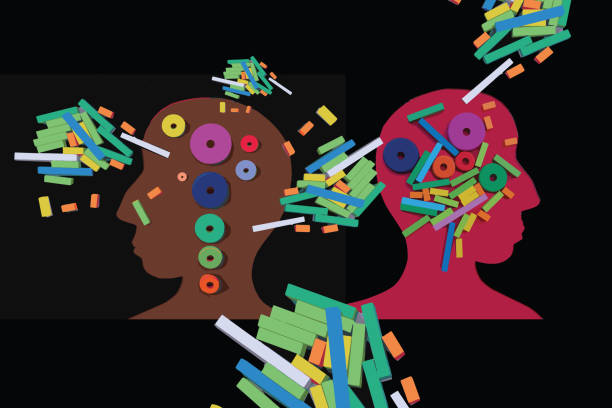
Have you ever sat in a coffee shop and just watched people? You see someone tapping their foot, another person laughing at their phone, a couple having a quiet argument. You start wondering why they act that way. That is exactly what research psychologists do, but they do it in a scientific way. They study behavior to understand why we do what we do. One way they do this is through something called observational research.
Let me tell you about it. Imagine you want to know how kids play together on a playground. You could ask them questions, but little kids might not remember or tell you the truth. So instead, you just sit nearby and watch. You write down what you see. That is observational research. It is like being a detective for human behavior. You do not change anything. You just watch and learn.
Psychologists use this method a lot. They might watch how shoppers move through a grocery store. Or how people act when they are in a hurry. Or how friends talk to each other at a party. The goal is to see real behavior, not what people say they do. Because sometimes what we say and what we do are very different.
There are two main ways to do observational research. One is called naturalistic observation. That means you watch people in their normal, everyday settings. You go to where they live, work, or hang out. You do not tell them you are watching, because that would change how they act. If someone knew a psychologist was staring at them, they might start behaving perfectly. So researchers often hide or blend in. They might pretend to be a customer in a store or sit on a park bench with a book. This way, they get to see real, honest behavior.
The other way is structured observation. Here the researcher sets up a situation and then watches what happens. For example, a psychologist might bring two children into a room with a cool toy. Then they watch to see how the kids share. They are still watching, but they created the environment. This helps them control things like how many toys there are or how much time they have. It makes it easier to compare different people.
Both ways are useful, but they have their own challenges. In naturalistic observation, you might have to wait a long time for something interesting to happen. And you cannot control everything. Maybe a loud truck drives by and distracts everyone. In structured observation, you have more control, but the setting is not as real. People might act differently because they know they are being watched, even if you try to hide it.
So why do psychologists bother with all this watching? Because it helps answer big questions about behavior. For example, do boys and girls play differently? Observational studies have found that boys often play more roughly and in bigger groups, while girls tend to play in smaller groups and talk more. But that is not a rule for everyone. It is just a pattern.
Observational research also helps with things like understanding why people bully. Researchers have watched kids in hallways and lunchrooms to see what leads to bullying. They found that bullying often happens when there are not many adults around, and when other kids just watch instead of stepping in. That knowledge helps schools create better rules and programs.
Another cool example is how researchers studied why people litter. They watched in parks and parking lots. They noticed that if a place already had some trash, people were more likely to drop more trash. If it was clean, people kept it clean. That simple finding has led to campaigns to keep public spaces tidy.
If you are thinking about a career in psychology, observational research might be a path for you. You could work in a university, for a company, or even for a government agency. You would spend your days watching and noting behaviors, then analyzing what it all means. You get to be curious all the time. You ask questions like, “Why do people stand a certain distance from each other in line?” or “How do parents react when their baby cries in public?” Every day is a puzzle.
You do not need a fancy lab or expensive equipment. You just need good eyes, a notebook, and a patient mind. It is a great way to understand people without asking them a single question. And the best part is, you can start practicing right now. Next time you are in a waiting room or on a bus, look around. Notice how people sit, where they look, how they hold their phones. Ask yourself why. That is the start of being a research psychologist.
Observational research is not about judging people. It is about understanding. And the more we understand why we act the way we do, the better we can help each other. Whether it is making schools safer, stores easier to shop in, or friendships stronger, watching behavior is a powerful tool. So grab a notebook and start watching. You might be surprised at what you learn.