If you have ever watched a child stack blocks, talk to an action figure, or make a mess with finger paints, you have seen something important. That child is not just keeping busy. They are thinking, feeling, and communicating in the most natural way they know. This is exactly why kids need play therapy instead of just sitting on a couch and talking. For adults, words are usually the easiest tool to share what is inside our heads and hearts. For children, play is that tool. It is their first language, and toys are their words. When you understand this, you start to see why play therapy is such a powerful way to help kids heal, grow, and feel understood. And if you are thinking about a career in therapy, this is one of the most magical and meaningful paths you can take.
Think about what it feels like to be a young child. You have big, stormy feelings that can take over your whole body. You might feel mad enough to stomp, sad enough to hide under a blanket, or scared enough to cling to a grown-up’s leg. But if someone asked you to sit still and explain why you felt that way, you would probably just shrug or say “I don’t know.” That is not because something is wrong with you. It is because the parts of your brain that handle complex language, logic, and self-reflection are still growing. Young children are not built to name their emotions and connect them to life events the way adults do. Their thinking is concrete and sensory. They learn by touching, moving, and pretending. Expecting a sad or anxious five-year-old to talk through their problems is like expecting them to run a marathon before they have learned to walk. Play therapy meets them right where they are.
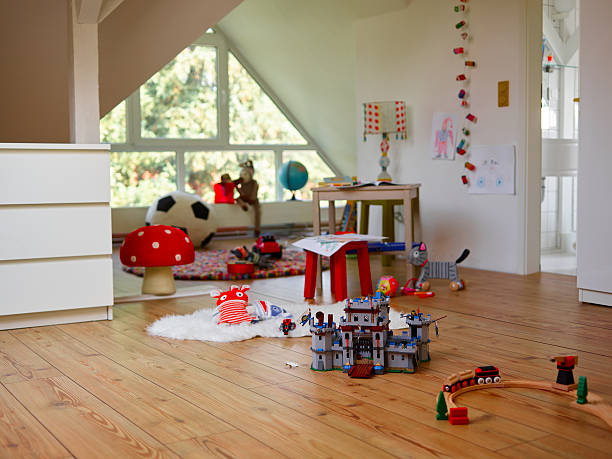
In a play therapy room, you will not see a big desk and a notepad. You will see a carefully chosen world of toys, art supplies, sand trays, puppets, and dress-up clothes. The child is invited to explore freely. There is no script, no right or wrong way to play. A trained play therapist watches and gently joins in, building a safe relationship. Through play, a child can show what is going on inside without needing the perfect words. A little girl who witnessed a loud, scary fight at home might not say, “I felt helpless and afraid.” But she might pick up two dinosaur figures and have them roar at each other while a baby dinosaur hides behind a block. That is her story. The therapist might reflect, “The baby dinosaur looks really scared and wants to be safe.” In that moment, the child feels seen. The healing has begun.
Play therapy works because it gives children a sense of control that real life often takes away. When hard things happen, like moving to a new town, losing a loved one, or dealing with a medical crisis, kids can feel powerless. In the playroom, they are the bosses of the tiny world they create. They can knock over the block tower and build it up again. They can rescue the doll from the pretend fire or put a bandage on the stuffed bear a hundred times. This repetition allows the brain to process scary memories slowly and safely, at the child’s own speed. It is like taking a huge, twisted knot of feelings and gently working out the tangles, one loop at a time. Instead of reliving a trauma by talking it out loud, which can be overwhelming for a child, they can work through it symbolically, with a toy soldier or a crayon drawing. The distance that pretend play provides is a soft, protective cushion.
You might wonder how a therapist knows what the play means. They do not need to act like a detective or force a deep interpretation right away. Play therapists are trained to recognize patterns, themes, and changes in a child’s play over time. They notice if a child always makes the puppy figure get lost and cry, session after session. They pay attention when a child who never spoke above a whisper starts giving the king puppet a loud, brave voice. These are signals of the inner world shifting. The therapist accepts all feelings the child brings, even messy or angry ones, without scolding or shaming. A child can throw wet clay or scribble furiously and still be met with calm, caring limits. This builds true trust. Over time, the child learns that their biggest, scariest feelings can be managed and shared without the world falling apart. They begin to see themselves as strong and capable.
This is not just a fun break from real therapy. It is real therapy. Research shows that play therapy helps children lower anxiety, reduce disruptive behaviors, improve social skills, and heal from grief or abuse. The brain changes through relationship and playful repetition. For a child who has been through trauma, the safe, predictable presence of a therapist during play can actually rewire the way their nervous system responds to stress. They learn that some grown-ups are steady and kind, and that they are worthy of that kindness. That is a lesson no lecture could ever teach.
If you are exploring a career in the wide world of therapeutic help, learning about play therapy opens a door to working with the youngest hearts and minds. It is a specialty that requires warmth, patience, and a deep belief in the wisdom of childhood. Degrees in counseling, social work, or marriage and family therapy can all lead toward registered play therapist credentials. In your training, you will learn to trust what children already know how to do, and you will discover the joy of seeing a child’s inner world bloom in the safety of a sand tray or a dollhouse. You do not just hear their story. You see it, you feel it, and you help rewrite the painful parts together.
So why do kids need play therapy instead of just talking? Because play is not a break from serious work for a child. It is the work itself. It is how they make sense of a confusing world, how they find their voice before they have the words, and how they build bridges from hurt to hope. The next time you see a child carefully arrange tiny animals or push a toy car around a pretend town, remember that you are watching a mind at work building understanding, one moment of play at a time. And if you choose to guide that process as a therapist, you will be giving one of the greatest gifts possible: the chance to be truly known.