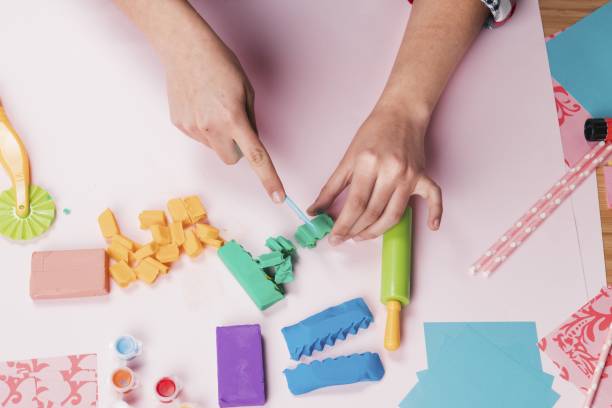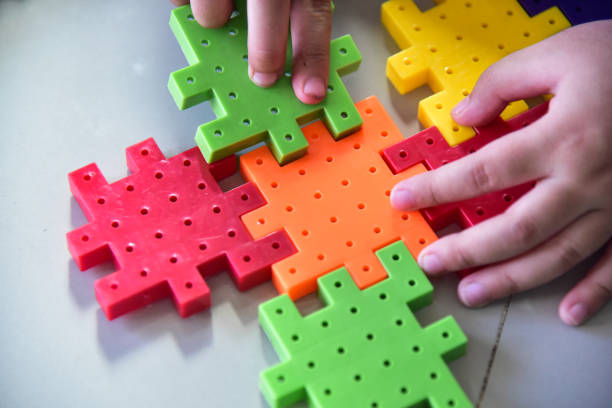
Have you ever watched a child build a tower of blocks, only to knock it down and start over? Or seen them act out a scene with stuffed animals, giving voice to a brave hero and a scared rabbit? To most adults, that looks like just fun and games. But for some kids, that play is a way to talk about big feelings they don’t have words for yet. That is exactly what play therapy is all about. It is a special kind of therapy that uses toys, art, games, and stories to help children work through hard things like anxiety, anger, sadness, or trauma. And if you are thinking about a career where you can help kids heal, this field might be perfect for you.
Let me explain how it works. Imagine you are a little kid who just went through something scary, like a divorce in the family or a big move to a new school. You do not know how to say, “I feel lonely,” or “I am worried my parents don’t love me anymore.” Those words are too big. But you do know how to pick up a toy dinosaur and pretend it is fighting a monster. In play therapy, a trained therapist watches that play very carefully. They do not tell the kid what to do. Instead, they create a safe space with lots of toys and art supplies, and they let the child lead. The therapist might say things like, “That dinosaur looks really angry. I wonder what he needs right now.” By doing this, they help the child explore their feelings in a way that feels natural and safe.
Why does this work so well? Because for kids, play is their first language. Long before they can talk about emotions, they express them through play. A child who has been hurt might show it by pretending a doll is being hurt. A child who feels out of control might line up cars in a very strict order. The therapist pays attention to these patterns and gently helps the child find new, healthier ways to cope. Over time, the child learns to understand their feelings and feel stronger inside.
Play therapy is used for lots of different problems. Kids with anxiety might use puppets to practice talking about worries. Kids who have trouble making friends might play games that teach sharing and taking turns. Kids who have been through something really hard, like abuse or losing someone they love, can work through those big feelings in a slow, safe way. The therapist never forces the child to talk about anything they are not ready for. That is one of the best things about play therapy: the child is in control.
Now, you might be wondering how someone becomes a play therapist. It is not something you jump into overnight. First, you usually need a degree in something like psychology, social work, or counseling. That means going to college and then maybe getting a master’s degree. After that, you get special training in play therapy. There are courses and workshops where you learn how to set up a playroom, what toys to use, and how to talk with kids during sessions. You also need to practice under a supervisor for a certain number of hours. Then you can get a certification that says you are a registered play therapist. It takes time and effort, but it is a very rewarding path.
I have met people who work as play therapists, and they all say the same thing: watching a child heal through play feels like magic. But it is not magic. It is science and heart combined. You get to be the person who helps a scared kid find their brave voice. You get to help a sad kid laugh again. You get to build trust with families and see real change happen. And the best part? You get to do it all through the power of play.
If you like working with children and you want a career that uses creativity, patience, and kindness, play therapy might be a great fit for you. You do not need to be a super fun, bubbly person. You just need to care about kids and be willing to learn how to listen to their play. It is a field that is growing because more and more people understand that children’s mental health matters. Schools, hospitals, and private clinics all need play therapists.
So if you are thinking about a career change and you want to do something that makes a real difference, consider play therapy. It is not just about helping kids. It is about giving them the tools to grow into strong, happy adults. And it all starts with a toy, a safe room, and someone who truly listens. That someone could be you.