Have you ever watched a child playing and thought, “Wow, they are really into that”? Maybe it was a little boy building a giant tower with blocks, or a girl pretending to be a superhero saving the day. For kids, play is not just fun. It is how they learn about the world, how they show their feelings, and how they solve problems. That is exactly why play therapy exists. It is a special kind of therapy that uses toys, games, and imagination to help children work through tough emotions and experiences.
You might be wondering, why not just talk to a child like you would with an adult? The truth is, young children often do not have the words to say what is bothering them. They might not even understand what is wrong. A kid who feels angry or scared after something bad happened might not be able to say, “I feel anxious about the divorce.” Instead, they might throw a toy, have nightmares, or act out at school. Play therapy gives them a safe way to show what is going on inside without having to explain it in grown-up language.
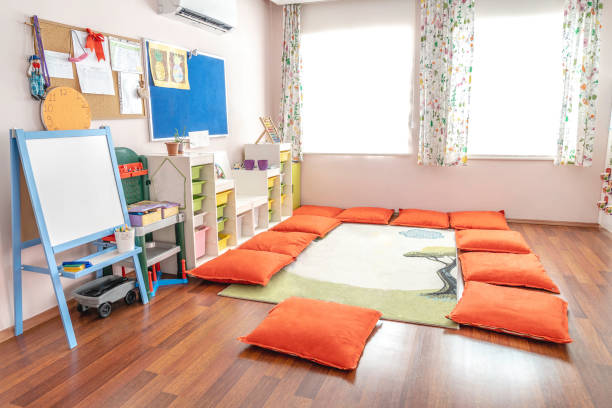
In a play therapy session, a trained therapist has a special room filled with all kinds of things. There are dolls, puppets, art supplies, sandboxes, toy cars, and dress-up clothes. The therapist lets the child choose what to do. As the kid plays, the therapist watches carefully and sometimes joins in. For example, if a child makes a story about a monster under the bed, the therapist might ask, “What does the monster want?” or “How can the hero help?” Through this kind of play, the child can practice being brave, try out different endings to scary situations, and feel more in control.
Play therapy is not just for big problems like trauma or abuse. It can help with everyday struggles too. Kids who have trouble making friends might use play therapy to practice sharing and taking turns. A child whose parents are going through a divorce might use dolls to act out new family routines. Kids with anxiety can learn to calm down by playing with sensory toys like squishy balls or sand. Even children with autism or ADHD can benefit, because play therapy meets them where they are and does not force them to sit still and talk.
One of the best things about play therapy is that it respects the child’s natural way of communicating. Adults sometimes forget that kids are not just small grown-ups. Their brains are still developing, and they think in pictures and stories, not in logical arguments. When a therapist uses play, they are speaking the child’s language. That builds trust. The child feels understood, not judged. And that trust is the foundation for healing.
If you are thinking about a career in therapy and you love working with kids, play therapy can be a fantastic path. You do not need to be a clown or a performer. You just need to be someone who respects children and is willing to get on the floor and play with them. Training in play therapy usually happens after you get a degree in counseling, social work, or psychology. You take extra classes and get supervised experience. Many therapists say it is one of the most rewarding jobs because you get to see real change happen in a joyful, creative way.
Remember, every child deserves a chance to work through their feelings in a way that makes sense to them. Play therapy does exactly that. It turns a room full of toys into a place of healing. So if you have ever felt called to help kids, and you are not afraid to have a little fun while doing it, this field might be just right for you.