Kids don’t always have the words to say what’s wrong. They might act out, get quiet, have trouble at school, or feel mad or sad and not know why. That’s where play therapy comes in. It is a special kind of therapy for children and teens. Instead of sitting and talking the whole time, kids use play to show what they feel. Toys, games, art, blocks, puppets, sand, and stories become their way to speak.
Play therapy is not just playtime. A trained play therapist knows how children grow and how feelings work. They create a safe space where a child can be themselves. The child leads. The therapist watches, listens, and joins in when it helps. The therapist might notice patterns in what a child chooses or how they play. They might say, “That doll looks scared. I wonder if you ever feel that way.“ This helps a child put feelings into words little by little. It also shows the child that feelings are okay.
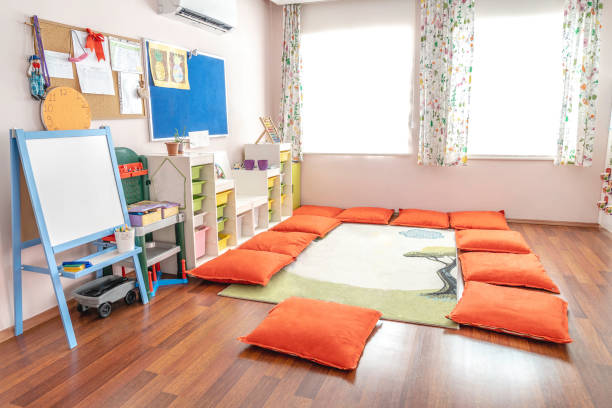
In a play therapy room, you might see a dollhouse, dress-up clothes, building blocks, crayons, a sand tray, and simple games. The child picks what to do. The therapist sets gentle limits so everyone stays safe. For example, a child can be angry, but they can’t hurt the therapist or break toys. This teaches kids that all feelings are allowed, but actions have rules. It also helps them learn to calm down and make better choices.
Play therapy can help with many things. A child might be having a hard time after a move, a divorce, a death, or a scary event. They might worry a lot, feel angry, have trouble making friends, or get upset at school. Some kids have big feelings that come out as hitting, yelling, or shutting down. Others are quiet and hold everything inside. Play therapy meets them where they are. Teens can also benefit. They might play games, make art, listen to music, or talk while doing something with their hands. That can feel easier than staring at someone and answering questions.
One big reason play therapy works is that play is how kids practice life. When a child plays doctor, they can feel in control of a scary visit. When they build a tower and knock it down, they can let out anger in a safe way. When they play family with dolls, they can show what home feels like. The therapist helps them understand those feelings and learn new ways to handle them. Over time, kids build trust, feel less alone, and learn that hard things can get better.
Parents and caregivers are a big part of the team. A play therapist often meets with them to talk about goals and what is happening at home. They may share simple ideas to try, like giving a child a few minutes of special playtime each day. During special playtime, the child leads and the adult follows. No phones, no teaching, no fixing. Just being together. This can help kids feel seen and loved. It can also make therapy work faster.
Play therapy is not a quick fix. It takes time, like learning any new skill. Progress may look small at first. Maybe your child sleeps a little better. Maybe they have one fewer meltdown. Maybe they say, “I’m mad” instead of hitting. Those are big steps. It helps to keep going and to tell the therapist what you notice. If your child seems stuck, the therapist can change the plan. A good fit between child and therapist matters too. It’s okay to ask questions and meet more than one therapist.
If you are worried about a child, you don’t have to wait for a crisis. Talk to a doctor, a school counselor, or another trusted adult. Ask if play therapy could help. You can also learn more about how therapy works for kids. Many children feel relieved when they find a safe place to show their real feelings. They learn that they are not bad or broken. They are growing. Play is powerful. Through play, kids can heal, build skills, and find hope. They can learn that even when life feels hard, they are not alone.