When someone you love is struggling with an eating disorder, it can feel scary and confusing. You might not know what to say or do. Maybe you’ve tried to help before, but it didn’t go well. That’s okay. Learning how to support a family member through recovery is a skill, just like learning to ride a bike. It takes practice, patience, and a lot of love. The good news is that families can play a huge role in helping someone get better. In fact, research shows that when families are involved in treatment, people often recover faster and stay healthy longer. So let’s talk about some simple, friendly ways you can be part of the healing journey.
First, it’s really important to understand that eating disorders are not about food. They are about feelings. Food becomes a way to cope with stress, sadness, anger, or even feeling out of control. So when you try to fix the eating problem without looking at the feelings underneath, it usually doesn’t work. Instead of saying things like “Just eat more” or “Why can’t you stop?” try asking open questions like “How are you feeling today?” or “What’s going on in your head right now?” This lets the person know you care about them, not just their plate.
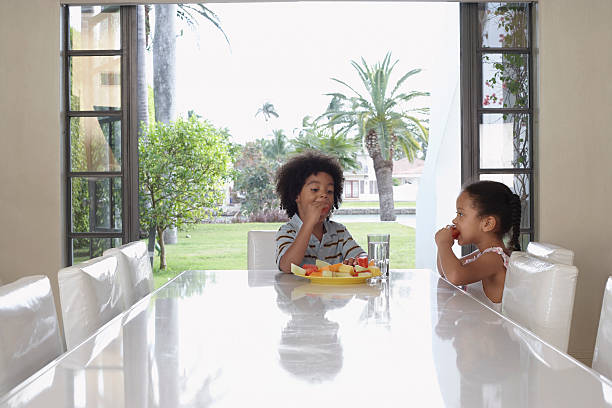
Another big help is to create a safe and calm home environment. That means no fighting at the dinner table, no comments about weight or body size, and no comparing yourself or others to anyone else. Eating disorder recovery is hard enough without added pressure. Try to have family meals that are relaxed. You can talk about fun things, like a movie you saw or a funny story from work. The goal is to make eating feel less like a test and more like a normal part of life.
Now, what about meals themselves? If your family member is in treatment, they may have a meal plan from a doctor or dietitian. You can support them by following that plan at home. Don’t sneak extra food onto their plate or try to “help” by making different meals. Trust the professionals. If you’re unsure, ask the person what they need. Sometimes they might want you to eat the same thing they are eating, so they don’t feel alone. Other times they might need a little space. The best thing is to ask kindly, “How can I make this easier for you right now?”
It’s also very common for people with eating disorders to have strong emotions. They might get angry, cry, or shut down. This is not about you. It’s part of the illness. Try not to take it personally. Instead, stay calm and say something like, “I see you’re really upset. I’m here for you.” Let them know their feelings are okay, even if you don’t fully understand them. Over time, this builds trust and safety.
Sometimes families feel like they have to be perfect or say all the right things. That’s impossible. You will make mistakes. You might get frustrated or say something you regret. That’s okay. What matters is that you keep showing up. Apologize if you mess up. Tell them, “I was trying to help, but I think I made it worse. I’m sorry. Can we try again?” This teaches your loved one that recovery is about trying and learning, not being perfect.
You also need to take care of yourself. Supporting someone with an eating disorder can be exhausting and emotional. Find your own support, whether it’s a therapist, a support group for families, or just a friend who listens. When you take care of your own mental health, you have more energy to help your family member. It’s like the safety instructions on an airplane: put your own oxygen mask on first before helping others.
Finally, remember that recovery is a journey with ups and downs. There will be good days and hard days. Some people get better quickly, and others take years. The most important thing you can give your family member is hope. Let them know you believe in them. Tell them, “I’m proud of you for trying. I know this is hard, but you are not alone.”
Families are not the enemy. They are the biggest cheerleaders and the safest place to fall. With patience, kindness, and a willingness to learn, you can make a world of difference in someone’s recovery. And you might even grow closer as a family along the way.