Have you ever tried to tell someone how you feel, but the words just wouldn’t come out? Kids feel that way all the time. Their brains are still growing, and big feelings like anger, sadness, or worry can feel too confusing to talk about. That’s where play therapy comes in. It’s a special way for grown-up helpers called play therapists to understand what a child is going through—using toys, games, art, and imagination instead of just talking.
Imagine a little girl who just went through something really hard, like her parents fighting a lot or a big move to a new school. She might not be able to say, “I feel scared and alone.” But if you give her a dollhouse, she might put the mom doll in a corner and the dad doll far away. She might make the little doll hide under the bed. The therapist watches carefully and says something like, “That doll looks like she wants to be safe.” That simple comment lets the child know she is understood. The healing starts there.
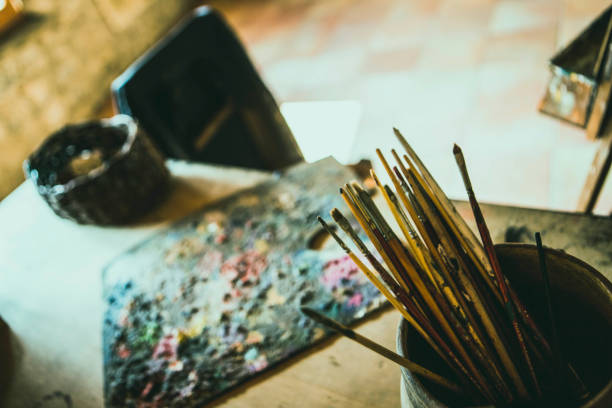
Play therapy works because play is the natural language of kids. When adults feel stressed, they might talk to a friend or write in a journal. A child’s way of dealing with big stuff is to act it out with toys. So a play therapist sets up a room full of things that invite expression—puppets, sandboxes, art supplies, costumes, building blocks, and stuffed animals. The therapist does not tell the child what to do. Instead, they follow the child’s lead. This makes the child feel in control, which is really important when they have been feeling powerless.
One really powerful tool in play therapy is the sand tray. It’s a shallow box filled with soft sand, and on a shelf nearby there are hundreds of tiny figures—people, animals, trees, cars, fences, and all sorts of miniatures. A child might build a whole world in the sand. One kid I heard about made a big storm with dinosaurs knocking down houses. The therapist said, “Wow, things are getting wild out there. I wonder what the little kid figure needs.” The child picked up a small superhero and placed it next to the kid. That was the child telling the story of needing protection. Over time, the child started adding calm parts to the sand world, like a rainbow or a bench with two people sitting together. That was the healing showing up.
Puppets are another favorite. A child can make a grumpy puppet argue with a happy puppet, and the therapist can ask, “What does the grumpy one want?” The child might answer, “He just wants someone to listen.” Through the puppet, the child says what they cannot say about themselves. It feels safe because it’s just a puppet talking. But the therapist knows the real message underneath.
Play therapy is not just about having fun—though the kids do have a lot of fun. It’s serious work that helps children learn to handle their feelings, solve problems, and trust again. For example, a child who has been bullied might use blocks to build a wall and then knock it down with a pretend monster. The therapist might help them practice what to say when someone is mean, using the toys first. Later the child feels braver to try those words for real.
Parents often wonder if play therapy is just “playing around.” It’s not. The therapist has years of training to understand what the play means. Every action a child takes in the therapy room tells a story. When a child is allowed to express those stories in a safe, caring place, their brain starts to heal. Stress goes down. Nightmares can stop. They start to smile more and feel more like themselves again.
If you are a parent or someone who works with kids, and you want to help a child who is struggling, play therapy is a gentle and powerful way to do it. It meets children right where they are—in their world of toys, make-believe, and imagination. It gives them a voice when they don’t have the words. And it shows them that even the hardest feelings can be understood and worked through, one play session at a time.