
Imagine you are standing at the bottom of a deep, dark hole. You can see a little bit of light way up at the top, but you have no idea how to climb out. Your legs feel like they are made of jelly, and your arms are too tired to pull you up. That is what addiction feels like for a lot of people. They want to stop using drugs or alcohol, but they just can’t seem to do it on their own. They feel trapped, hopeless, and alone. That is where an addiction counselor comes in. An addiction counselor is like a trusted friend who lowers a rope into that hole, holds your hand, and helps you climb out one step at a time. Addiction counseling really does save lives, and it does it by helping people find the strength they already have inside them.
You might think that an addiction counselor just tells people to stop using. But it is way more than that. A good counselor knows that addiction is not about being weak or bad. It is a disease that changes the way your brain works. So the counselor does not blame you or judge you. Instead, they listen. And I mean really listen. They ask questions like, “What made you start using in the first place?” and “What is the hardest part of stopping?” They want to understand your story, because your story matters. When someone feels truly heard, it can be the first step toward feeling hopeful again.
One of the most important things an addiction counselor does is help you set small, real goals. Maybe the goal is to get through just one day without using. Or maybe it is to call a family member and say you are sorry. Big changes can feel scary, but small wins add up. Every time you hit a small goal, you start to feel a little stronger. The counselor cheers you on, and that support makes a huge difference. They remind you that you are not starting from scratch. You are starting from experience, and every mistake you made is a lesson that can help you move forward.
But let’s be honest, recovery is not a straight line. It is more like a winding road with bumps and detours. Sometimes people relapse, which means they start using again after trying to stop. A lot of folks think a relapse means you failed, but an addiction counselor will tell you something different. They will say that relapse is a part of the journey, not the end of it. Instead of giving up on you, they help you figure out what went wrong and how to do better next time. They teach you that falling down does not make you a failure. Staying down does. So you get back up, brush yourself off, and keep going. The counselor walks right beside you the whole way.
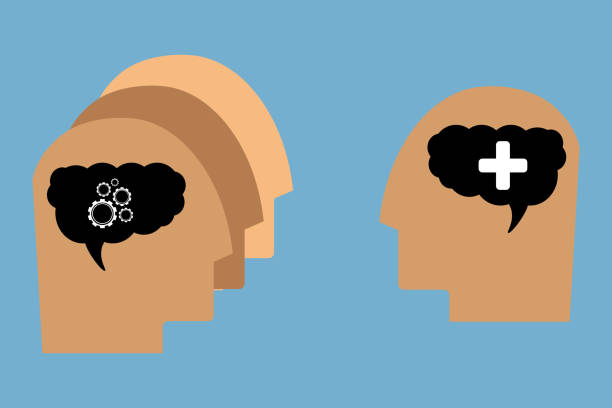
Another huge part of addiction counseling is helping you change the way you think. Our thoughts have a lot of power. For example, someone in addiction might think, “I am a loser, I will never get better.” A counselor helps you challenge that thought. They might ask, “Is that really true? What about the times you did get through a hard day sober?” Little by little, you learn to replace negative thoughts with more realistic and helpful ones. It is like cleaning out a messy closet. You take out the junk and put in things that actually help you.
Addiction counselors also teach real life skills. They might help you learn how to say no when a friend offers you a drink. They might help you find new hobbies that do not involve drugs or alcohol. They can even help you rebuild relationships with your family. A lot of families are hurt and angry when someone has an addiction. The counselor can be a bridge between them. They can explain that addiction is a sickness, not a choice, and help everyone start talking again.
And here is the amazing part. As people get better, they often want to give back. Many addiction counselors are people who have been through addiction themselves. They know exactly what the struggle feels like because they lived it. That personal experience gives them a special kind of empathy. They can look someone in the eye and say, “I have been where you are, and if I can make it, you can too.” That message is incredibly powerful. It turns a counselor from just a helper into a living example of hope.
So whether you are thinking about becoming an addiction counselor or you are someone who needs help, know this. Addiction does not have to be the end of your story. With the right support, you can find your strength, climb out of that hole, and build a life you are proud of. Addiction counseling saves lives, one conversation, one goal, and one brave step at a time.