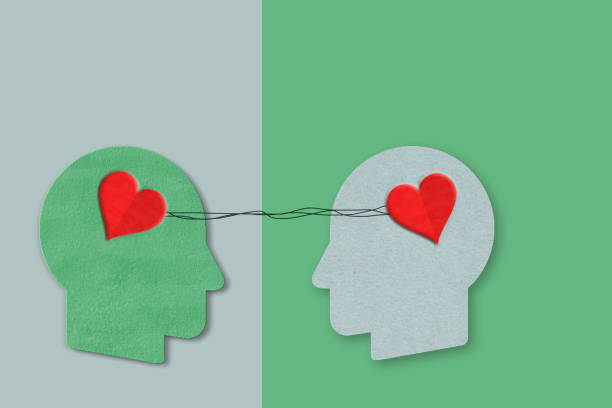
Have you ever had a friend who just gets you? Someone you can tell anything to without feeling judged? That feeling of being completely heard and accepted is what one-on-one talk therapy is all about. If you are thinking about becoming a therapist, or maybe just curious about what happens in those private sessions, this is the part of counseling that is both simple and incredibly powerful. It is just you and another person, sitting together, and talking. But it is so much more than just chatting.
When a therapist meets with a client one-on-one, their first job is to build a safe space. Think of it like building a fort when you were a kid. You wanted a place where no one could bother you, where you could say whatever you wanted, and where you felt protected. A therapist does the same thing, but with words and a calm attitude. They make sure the room is quiet, the chairs are comfortable, and that you know everything you say stays between you two. This is called confidentiality, and it is the number one rule. Without that trust, no real talking can happen.
Once that safe space is built, the real work begins. A therapist is not a doctor who gives you a pill or a teacher who tells you what to do. They are more like a guide. They ask questions that help you think about your own life in a new way. For example, if you are feeling sad, a therapist might ask, “When did you first notice that sadness?” or “What is going on around you when you feel that way?” These questions do not have wrong answers. They are just tools to help you understand yourself better.
One of the most amazing things about individual talk therapy is that you get to be the star of your own story. In group therapy, you share the spotlight. In family therapy, you have to think about everyone else. But when it is just you and the therapist, the whole session is about you. Your feelings, your thoughts, your memories, your hopes. The therapist is there to listen, not to judge. They might nod, or say “uh-huh,” or simply look at you with kind eyes. That kind of attention can feel strange at first, but it is also incredibly healing. Many people say it is the first time in their life they have ever been truly listened to.
Now, what does a therapist actually do during those fifty minutes? They use a skill called active listening. That means they are not just hearing your words, but paying attention to your tone of voice, your body language, and what you are not saying. If you cross your arms and look away while talking about your mom, the therapist might gently ask, “I notice you seem tense when you mention your mom. Can you tell me more about that?” It is like being a detective, but instead of solving a crime, you are solving the mystery of your own feelings.
Another big part of talk therapy is helping you connect the dots. Our brains are messy. We have lots of thoughts and feelings that get jumbled together. A therapist helps you untangle them. Maybe you get angry every time your boss sends you an email. The therapist might help you see that it is not really the email that makes you angry, but the way it reminds you of a teacher who was mean to you in third grade. Making those connections can help you understand yourself and change how you react.
For someone wanting to become a therapist, learning to do this takes practice. You have to learn how to ask the right questions without making people feel pushed. You have to learn how to be quiet and let the silence do its work. Sometimes the most powerful moment in a session is when no one speaks for a whole minute. That silence lets the client think deeply and find their own answers. It is not awkward. It is a gift.
Talk therapy with individuals works for all kinds of problems. Grief, anxiety, depression, big life changes, relationship issues, and even just feeling stuck. The therapist does not fix you. They help you find the strength you already have inside. They remind you that you are capable of change.
If you are thinking about a career in counseling, know that this one-on-one work is the bread and butter of the field. It is challenging, because you carry the stories of many people in your heart. But it is also deeply rewarding. You get to watch people grow, heal, and become more themselves. All because you created a safe space and asked the right questions.
So next time you think about therapy, remember it is not about fancy techniques or big words. It is about two humans, sitting together, and one of them giving the other the gift of being fully heard. That is where the magic happens.