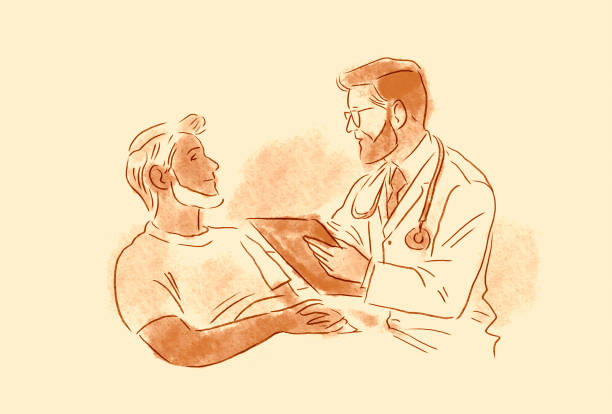
When you think about addiction, you might picture someone struggling alone. But the truth is, addiction touches everyone around that person. It can feel like a dark tunnel with no light at the end. That is where an addiction counselor comes in. These special helpers are trained to walk right into that tunnel with you and show you that there is a way out. And they do it with kindness, patience, and real hope.
Let me tell you how an addiction counselor makes a difference. Imagine you are going through something really hard. Maybe you have been using drugs or alcohol to cope with pain, or maybe someone you love is stuck in that cycle. It can feel hopeless. You might think, “I’ll never get out of this.“ But an addiction counselor has seen people get better. They know the steps. And they believe in you before you even believe in yourself.
The first thing a counselor does is listen. Not just hear your words, but really listen to your story. They don’t judge you. They don’t act like you are bad or broken. They understand that addiction is a disease, not a choice. That might be the first time you feel safe enough to tell the truth. And telling the truth is the start of healing.
Then the counselor helps you set small goals. You might not be ready to stop everything all at once. That is okay. They help you take one step at a time. Maybe the first step is just showing up to a meeting. Maybe it is calling a friend for support. Every little win builds your confidence. And the counselor is right there cheering you on.
But here is the thing about addiction counseling. It is not just about quitting the substance. It is about figuring out why you started using in the first place. Was it stress? Trauma? Loneliness? A counselor helps you understand those deeper feelings. They teach you new ways to handle hard emotions without turning to drugs or alcohol. You learn skills like deep breathing, talking things out, or finding healthy hobbies. These are tools you can use for the rest of your life.
And let me say this directly to you. If you are thinking about becoming an addiction counselor, you have a huge heart. This job is not easy. You will see people at their lowest moments. But you will also see them rise up. You will watch someone who thought they were beyond help start to smile again. You will get phone calls years later from people saying, “You saved my life.“ That feeling is worth more than any paycheck.
The training to become an addiction counselor takes time, but it is totally doable. You start with a degree in counseling or a related field. Then you get supervised experience. You learn about how addiction changes the brain, how to talk to people in crisis, and how to keep yourself strong so you can help others. Many programs are offered online or at community colleges. You do not need to be a genius. You just need to care.
One of the most powerful things about addiction counseling is how it affects families. When a person gets help, their whole family starts to heal too. Counselors often meet with parents, spouses, and kids. They explain what addiction really is. They teach family members how to support recovery without enabling. They help rebuild trust that was broken. So an addiction counselor is really helping many people at once. That is why we say addiction counseling saves lives. It saves the person using. It saves their relationships. It saves futures.
There is also this beautiful thing called peer support. Many counselors who work in addiction have been through recovery themselves. They know what it feels like because they have been there. That gives them a special connection with clients. It shows that change is real. If they can do it, you can do it too.
So whether you are looking for help for yourself or thinking about a career that matters, addiction counseling is a path full of hope. It is not about being perfect. It is about showing up. It is about saying, “I see your pain and I will stay right here with you until you find your way out.“ That is what saves lives. One conversation at a time.