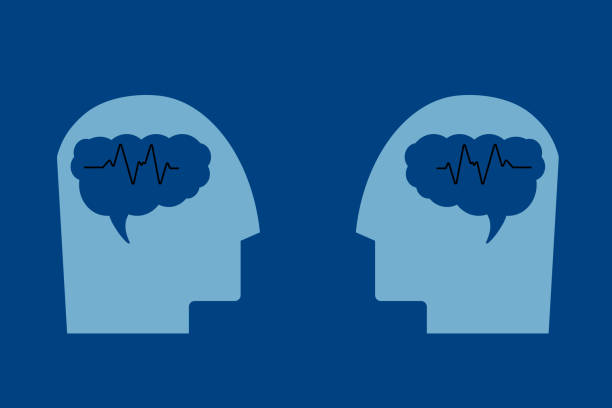
Have you ever tried really hard to show someone you care, but they just didn’t seem to notice? Maybe you bought them a gift, but they seemed upset that you didn’t spend time with them. Or you gave them a big hug, but they pulled away and said they needed some space to think. This happens all the time in relationships. And it is one of the biggest reasons couples end up in a counselor’s office. They love each other, but they are not speaking the same love language.
A love language is just a fancy way of saying how a person likes to give and receive love. Some people feel most loved when you do things for them, like making dinner or fixing a leaky faucet. Other people need to hear the words “I love you” or “You mean so much to me.“ Some want to hold hands and be close. Others want a quiet night in with no phones or TV. And some feel loved when you say “I believe in you” or “You can do this.“ These are all different love languages. When two people in a couple have different love languages, they can feel unloved even though both are trying their hardest.
That is where couples counselors come in. As a counselor, your job is to help each person figure out their own love language and then teach them how to speak their partner’s language. It sounds simple, but it takes a lot of patience and practice. You have to listen closely to what each person is really asking for. You might hear one partner say, “I don’t feel like she cares about me.“ But when you ask more questions, you discover that she does care. She just shows it by cleaning the house or running errands. That is her love language: acts of service. But her husband needs words of affirmation. He wants her to tell him he is doing a good job. So the problem isn’t that they don’t love each other. They just love each other in different languages.
A good couples counselor helps them translate. You might say to the wife, “I know you are showing love by taking care of things around the house. And that is wonderful. But what if for the next week you try something different? Instead of cleaning the kitchen, try telling your husband one nice thing about him each day. Just one sentence. See what happens.“ And you might say to the husband, “I know you want to hear those words. But can you notice all the things your wife does for you behind the scenes? When she makes your coffee in the morning, that is her way of saying I love you. Try thanking her for that small thing.“ This is the kind of practical, friendly advice couples counselors give every day.
It is a really rewarding career because you get to watch people fall back in love. You see them light up when they finally understand each other. You hear them laugh again after months of tension. And you know that you helped make that happen. You do not need a huge office or a fancy degree to start learning these skills. Many people start by taking a class on marriage and family therapy, or by volunteering with a relationship support program. You learn how to ask good questions, how to stay calm when things get heated, and how to help people see things from the other person’s side.
If you are thinking about a job where you can help couples work it out, this is a great path. You get to be a translator between two people who love each other but got stuck. You get to show them that love is not about being perfect. It is about learning each other’s language and trying to speak it even when it feels weird. Over time, couples who learn this get stronger. They fight less. They feel closer. And they often say that counseling saved their marriage. That is a pretty amazing feeling for a counselor.
So if you are someone who likes listening, who wants to help people, and who is not afraid of a little emotional messiness, then consider becoming a couples counselor. You do not need to have all the answers. You just need to care and be willing to learn. And you will find that helping couples find their way back to each other is one of the most satisfying jobs in the world.