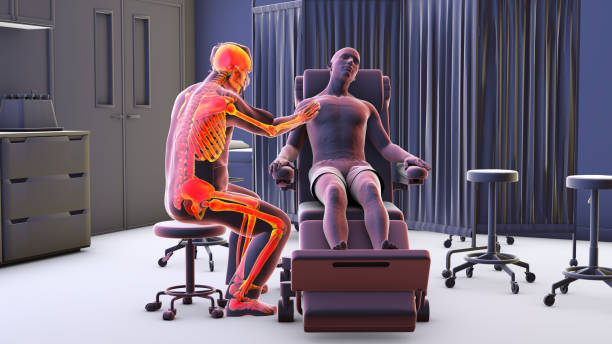
Imagine sitting across from someone who has seen things most of us can only dream about – or have nightmares about. They might have trouble sleeping, feel jumpy in crowded places, or struggle to feel safe at home. That person is a veteran, and they have given a lot for our country. Now, they need someone to talk to, someone who really gets it. That someone could be you. If you are thinking about a career in therapy, one of the most powerful paths you can take is working for the government, specifically for the Department of Veterans Affairs – the VA. The VA is a huge system of hospitals and clinics that take care of our military veterans. And they need therapists. Lots of them.
So what exactly does a VA therapist do? Well, it is a lot like being a therapist anywhere else, but the people you help have a very special background. Many veterans deal with things like PTSD, which is a fancy way of saying that scary memories stick with them and make everyday life hard. Others might have anxiety, depression, or trouble with their temper. Some just need help adjusting to civilian life after being in the military for a long time. You would sit with them in a quiet office, listen to their stories, and help them find ways to feel better. You might use talk therapy, which is just having conversations that help people understand their feelings. You might teach them breathing exercises to calm down when they feel stressed. Sometimes you work with families too, because when a veteran struggles, the whole family feels it.
Working for the VA is different from a private practice because you are part of a big team. You will have doctors, nurses, social workers, and other therapists all around you. That means you never have to figure everything out alone. If a veteran needs medication, you can talk to a doctor right there. If they need help finding a job or a place to live, there is a social worker for that. You are part of a support system that wraps around the veteran. And because the VA is a government job, you get really good benefits. Health insurance, a pension, and steady pay – no worrying about whether you will have enough clients to pay your bills. It is a stable, secure way to do work that matters.
But let me be honest with you. This job is not easy. You will hear hard stories. Some veterans have been through terrible things – combat, injury, loss of friends. And sometimes they do not open up right away. They might be suspicious of therapists, or think that talking about feelings is weak. You have to earn their trust. It takes patience and a sense of humor. You also have to take care of yourself, because if you get burned out, you cannot help anyone. That is why the VA usually gives you good supervision and encourages you to take breaks. They know that helping others is hard work.
What kind of education do you need? Most VA therapist jobs require a master’s degree in counseling, social work, or a similar field. Some positions need a doctoral degree, but many start with a master’s. You also need a license to practice therapy in the state where you work. That means passing a test and doing a certain number of supervised hours. It takes time, but it is worth it. And the VA often helps pay for school or gives you loan forgiveness because they need good therapists so badly. There are also entry-level jobs like case aides or mental health technicians that let you start working with veterans while you are still in school. Those jobs give you real experience and look great on a resume.
Now, you might wonder if you have what it takes. Do you need to be a veteran yourself? No. Of course, if you served, that can help you connect, but many of the best VA therapists have never been in the military themselves. What you need is a big heart, a patient ear, and a desire to learn about military culture. Things like ranks, deployments, and the special language veterans use. The VA will train you on that. More important is that you genuinely care about people who often feel forgotten. Many veterans think the world does not understand them. When you sit with them and really listen, you become a bridge back to feeling whole.
If you choose this path, your days will be full. You might do one-on-one sessions, group therapy where several veterans talk together, or even go out into the community to meet veterans who cannot travel to the clinic. You will see progress that is slow sometimes, but when it happens, it is amazing. A veteran who could not leave the house starts going to the grocery store again. A veteran who had nightmares every night starts sleeping through the dark. That is your work. And you get to go home knowing you helped someone who defended your freedom.
So if you are looking for a career that mixes education, compassion, and a steady government paycheck, look hard at the VA. It is a chance to serve those who served us. And that is a pretty good reason to get out of bed in the morning.