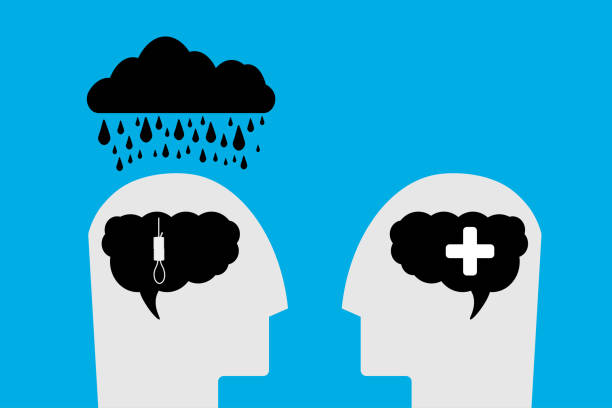
The image of the therapist in popular culture is often that of a brilliant, almost clairvoyant figure, dispensing profound insights that unravel a client’s psyche in a single session. This portrayal can lead aspiring mental health professionals to wonder: is a towering intellect, a “genius”-level IQ, a prerequisite for this career? The resounding answer is no. While intelligence is certainly valuable, the essence of effective therapy lies not in genius, but in a distinct constellation of human qualities—empathy, integrity, emotional stamina, and the cultivated skill of listening. Becoming a competent and impactful therapist is less about innate intellectual brilliance and more about developing what is often termed “emotional intelligence” or “relational wisdom.“
First, it is crucial to distinguish between academic proficiency and therapeutic effectiveness. To become licensed, a therapist must complete rigorous graduate studies, which demands analytical thinking, comprehension of complex theories, and research literacy. This requires a strong, dedicated intellect, but it is the kind of disciplined intelligence achievable through hard work and passion, not exclusive to geniuses. The classroom provides the map—the theories of human development, cognitive processes, and therapeutic techniques. However, the territory itself is the unique, unpredictable landscape of a client’s lived experience. Navigating this territory relies on skills that are not purely cognitive.
Foremost among these is empathy, the ability to feel with another person, to understand their internal world without judgment. A genius-level grasp of Freudian theory is meaningless if a client does not feel heard or understood. Therapy is built on the therapeutic alliance, a relationship of trust and safety. This alliance is forged through consistent, authentic presence, compassion, and the capacity to sit with another’s pain without offering premature solutions. These are qualities of the heart and character, not just the mind. Similarly, active listening—truly hearing what is said, what is left unsaid, and the emotions underlying both—is a skill that is practiced and honed, not an innate gift of the intellectually elite.
Furthermore, effective therapy often involves tolerating ambiguity and uncertainty. A client’s path to healing is rarely linear, and there is no single “correct” answer to their struggles. Unlike a mathematical proof, human emotion defies absolute logic. Therapists must be comfortable not knowing, able to sit in the “gray area” with their clients without resorting to authoritarian pronouncements. This requires humility and patience, traits that are arguably more vital than a sky-high IQ. The work is less about displaying one’s own intelligence and more about empowering the client’s own wisdom and resourcefulness.
This is not to diminish the importance of a sharp, well-trained mind. Critical thinking is essential for formulating cases, recognizing patterns, and ethically applying interventions. Therapists must engage in continuous learning to stay abreast of evolving best practices. However, this is again a testament to dedication and ethical commitment rather than genius. The most impactful therapists are often those who integrate their professional knowledge with profound human qualities. They are curious, self-aware, and committed to their own ongoing personal growth, recognizing that they are the primary instrument of their work.
In conclusion, the doorway to becoming a therapist is opened not by a genius-level IQ, but by a combination of academic diligence, deep empathy, unwavering integrity, and the courage to engage with human vulnerability. The role demands a practitioner who is less a brilliant solver of puzzles and more a compassionate companion and skilled facilitator on a client’s journey. It calls for wisdom—a blend of knowledge, experience, and heart—which is something far more accessible and human than genius. Ultimately, the most therapeutic tool is not a superlative intellect, but a connected, authentic, and resilient human presence.