So, you’re thinking about a career where you help people for a living. That’s a big and amazing decision. Maybe you’re just out of school, or maybe you’re looking for a change from your current job. Either way, the world of therapeutic help has a place for you. The path isn’t one-size-fits-all. It’s more like a map with different routes you can take, depending on how much school you want to do and what kind of work feels right to you.
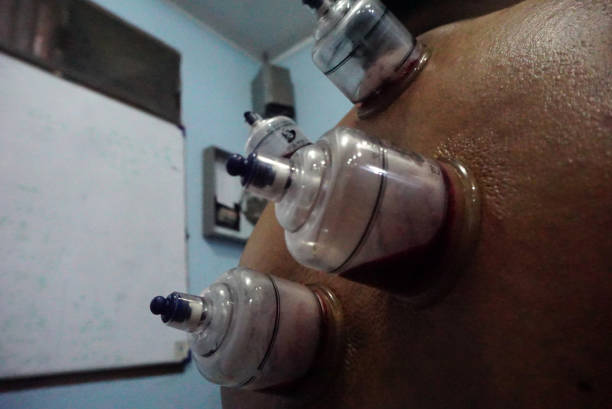
Let’s start with the hands-on helpers. If you want to jump into a rewarding job without spending many years in school, there are great options. Think about becoming a massage therapist or a physical therapy assistant. These jobs usually need a certificate or a two-year degree from a community college or a special school. You get the training you need, pass a test, and you’re ready to go. You work directly with people, helping them feel less pain and move better. It’s a powerful way to make a difference, and you can start your career fairly quickly.
If you’re ready for a four-year college degree, a whole new set of doors opens up. With a bachelor’s degree, you can work in important support roles. For example, you could become a substance abuse counselor or a behavioral health technician. In these jobs, you are on the front lines, guiding people through tough times. You might work in a rehab center, a school, or a community clinic. Your four-year degree gives you the knowledge to understand people’s struggles and the skills to offer real help. It’s a solid middle path—more responsibility than a two-year degree, but less school than becoming a full therapist.
Now, let’s talk about becoming a licensed therapist. This is the path for you if you want to lead therapy sessions, diagnose conditions, and have your own practice. To get here, you will need to go to graduate school after your four-year degree. This means earning a master’s degree or even a doctorate. Popular degrees include Master’s in Social Work, Master’s in Counseling, or a Doctorate in Psychology. Yes, this means more time in school—usually two to six extra years. But it also means you gain deep knowledge. After your degree, you’ll need to complete supervised hours and pass a big state test to get your license. Once you do, you can work as a clinical social worker, a mental health counselor, or a psychologist. You can specialize in helping kids, families, couples, or people with specific traumas.
The great thing about this field is that you can start on one path and keep going. You might begin as a technician with a two-year degree, love the work, and then go back to school part-time for your four-year degree. Later, you might decide to go even further for your master’s. Your experience on the job will only make you a better student and a better future therapist. TherapyDegree.com is here to help you with every step of that journey. We have clear information on degree types, degree programs, job training, and what different careers are really like.
No matter which path you pick, you are choosing to step into a role that matters. You will have hard days, but you will also have days where you know you changed someone’s life for the better. The need for caring, trained people in therapeutic jobs is huge and growing. Your future in helping others starts with understanding your options and taking that first step. Let’s find the right path for you.