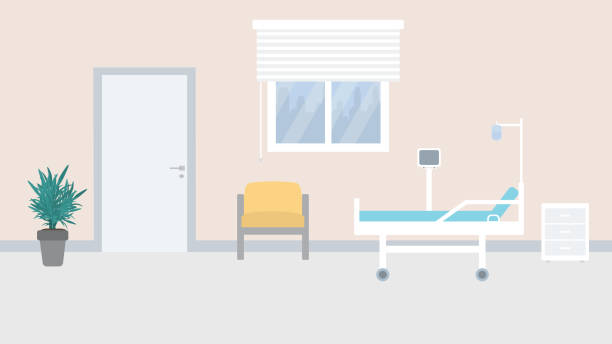
Imagine walking into a big hospital every day. The halls are busy with doctors, nurses, patients, and families. You might think hospitals are only for broken bones or sick stomachs. But there is another kind of help that happens there too. It is emotional and mental help. That is where you come in. When you graduate with a degree in therapy or counseling, one of the most exciting places you can work is a hospital or a medical center. This is not just a boring office job. It is a fast-paced, real-life place where you get to help people when they feel their worst.
Hospitals have all kinds of patients. Some people come in after a car accident. Some are having a heart attack. Others are getting ready for surgery. But every single one of these patients also has feelings. They might be scared, sad, angry, or confused. Their bodies are hurt, but their minds are hurting too. That is where a mental health counselor makes a huge difference. You are the person who sits with them and listens. You help them breathe when they are panicking. You help them understand that it is okay to be scared. You give them tools to cope while they lie in a hospital bed.
Your job in a hospital is not just about sitting in a quiet room. You will work with a whole team. Doctors need to know how a patient is feeling emotionally. Nurses need your help when a patient is really upset. You might even work with social workers who help families find money for bills or a place to stay. You are part of a group of helpers. Everyone has a different skill, and yours is understanding the human heart.
One big part of this job is helping people who have just found out bad news. Maybe a patient learned they have a serious illness. Maybe a family just heard that their loved one will not wake up. You are the calm voice in a storm. You do not need to have all the answers. You just need to be there, to say “I see you are hurting, and I am here.” That sounds simple, but it is very powerful. Many patients remember the counselor who sat with them more than the doctor who gave them medicine.
Another part of your day could be working in the emergency room. The ER is loud and fast. People come in who tried to hurt themselves or who are having a really bad panic attack. You get called in to talk to them right away. You help them calm down before they see a doctor. Sometimes you help decide if they need to stay in the hospital for more mental health care. This is serious work, but it is also very rewarding. You help someone get through the worst five minutes of their life.
You will also work with kids and teens. Hospitals have special floors for children. A kid who has a broken leg might be scared of the needles. A teenager with a long illness might feel lonely and depressed. You use games, art, or just talking to help them feel safe. You might teach a little kid how to do belly breathing when they are scared. You might help a teenager write down their worries. These small things make a big difference in how fast someone heals.
Hospitals also have people who stay for a long time. Some patients are in the hospital for weeks or months. You will visit them regularly. You become a familiar face in their hard days. You help them keep hope. You remind them that they are more than their sickness. You celebrate little wins with them, like the first time they sit up or eat solid food. That relationship is a gift.
Of course, this job is not easy. You will see sad things. People die. Families cry. You will feel tired at the end of the day. But you will also feel proud. You will know that you made a difference. You will learn to take care of yourself too, because you cannot pour from an empty cup. Counselors in hospitals often have team meetings to support each other. You are never alone.
After you graduate, you will need some extra training to work in a hospital. Many hospitals require a license, like a Licensed Professional Counselor or a Licensed Clinical Social Worker. But do not let that scare you. Your degree is the first step. Then you get supervised hours. You learn on the job from experienced people. It takes time, but it is worth it.
If you like a fast environment, if you are good at staying calm when others are freaking out, and if you really care about people, then a hospital might be the perfect place for you. You do not need to be a superhero. You just need to be kind, patient, and willing to listen. That is what patients need most.
So whether you are just starting to look at degrees or you are almost ready to graduate, think about hospitals. They need people like you. People who want to help, not just with medicine, but with hope. Your career after graduation can be in a place where every day is different, every patient matters, and your heart gets to do the healing.