When you think about becoming a mental health counselor, you probably imagine sitting with people, listening to their stories, and helping them feel better. That is a big part of the job, and it is a beautiful thing. But there is something else that is just as important, and it is something a lot of people do not talk about. It is taking care of yourself first. In clinical mental health programs, students learn all about therapy techniques, human behavior, and how to help others. But one of the most important lessons is how to take care of your own heart and mind so you can be strong for the people who need you.
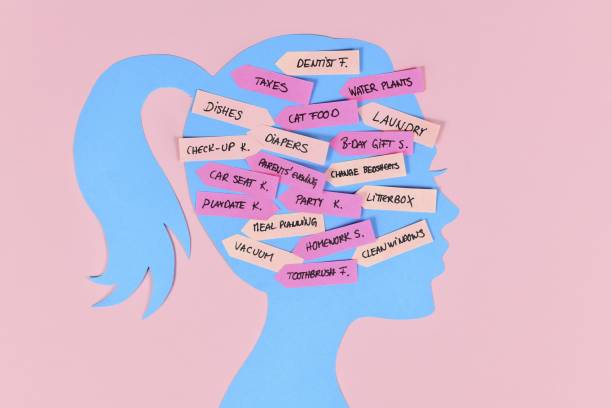
Think of it like this. When you fly on an airplane, the flight attendants always say to put your own oxygen mask on before helping someone else. That sounds backward, right? You want to help the person next to you, especially if they are scared. But if you pass out from lack of oxygen, you cannot help anyone. The same is true for counselors. You spend your days listening to heavy stuff. People will talk about their hardest moments, their deepest fears, and their biggest struggles. That is a lot to carry. If you do not find ways to let that weight go, it can pile up and make you feel tired, sad, or even burnt out.
Burnout is a real thing. It happens when you give so much to others that you have nothing left for yourself. You might start feeling grumpy, not sleeping well, or dreading your work. That is no good for you, and it is no good for the people you are trying to help. That is why clinical mental health programs teach students about self-care from day one. Self-care is not just bubble baths and chocolate. It is the stuff you do on purpose to keep your mind and body healthy. It can be going for a walk, talking to a friend, praying or meditating, writing in a journal, or even just saying no to extra work when you are already tired.
Some people think self-care is selfish. They think if you are a counselor, you should always be on and always be available. But that is a big mistake. If you run on empty, you cannot hear your clients the way they need you to. You might miss something important, or you might get impatient. The best counselors are the ones who take their own mental health seriously. They know that to be a safe place for others, they have to be a safe place for themselves first.
In a clinical mental health program, you will also learn about something called supervision. That is when a more experienced counselor meets with you to talk about your cases and how you are doing. It is not just about checking your work. It is a time to process how you feel about the things you are hearing. That is a huge part of self-care too. You do not have to carry everything alone. Talking to a supervisor or a trusted coworker can help you sort out your feelings and make sure you are okay.
Another thing that helps is having good boundaries. Boundaries are like invisible lines that keep you safe. For example, you might decide not to check work emails after a certain time at night. Or you might tell a client that you need to end the session on time so you can take a break before the next person. Boundaries can feel hard to set, but they are really important. They let you do your job well without letting it take over your whole life.
If you are thinking about going into clinical mental health counseling, start practicing self-care now. Find what helps you feel calm and happy. Maybe it is playing a sport, painting, cooking, or just watching a funny show. Make time for it, even when you are busy. And remember, asking for help is not a weakness. If you ever feel overwhelmed, reach out. That is what you will tell your clients to do, so do it for yourself too.
Being a counselor is an amazing career. You get to walk with people through their hardest times and see them grow stronger. But to do that for the long haul, you have to take care of yourself. It is not a one-time thing. It is something you practice every day. Clinical mental health programs know that, and they will help you learn how. So as you start this journey, keep that oxygen mask in mind. Put yours on first, then help the world.