Imagine you are a little kid, maybe five or six years old. Something very scary or sad happened to you. Maybe your parents got divorced, or someone in your family got very sick, or you were bullied at school. Your heart feels heavy. Your tummy hurts. But when an adult says, “Tell me how you feel,“ you just freeze. You don’t have the words. You don’t even really understand what you feel. That is where play therapy comes in.
Play therapy is a special kind of counseling that is made just for young children. It does not ask kids to sit on a couch and talk like adults do. Instead, kids get to play with toys, draw pictures, build with blocks, and act out stories. This might sound like just having fun, but it is actually a powerful way to heal. Here is why it works so well.
Kids speak the language of play. Think about it. When a child is happy, they jump up and down. When they are scared, they might hide behind a chair. When they are angry, they might crash toy cars together. Play is how children show what is going on inside them. They do not have the brain skills yet to put big feelings into words. An adult might say, “I feel anxious about my job interview.“ A child might instead build a tall tower of blocks and then knock it down again and again. That knocking down is their way of showing stress or anger.
In play therapy, a trained counselor watches the child play and learns what is going on. The counselor does not just sit there. They might join the play gently. They might say, “I see that baby doll is crying. I wonder what is wrong.“ This helps the child feel safe to keep playing and to go a little deeper. Over time, the child uses the toys to act out the hard things they cannot say with words. For example, a child whose parents are always fighting might use two action figures to pretend to yell at each other. By playing this out, the child gets some control over the scary situation. They can make the figures stop fighting or make them hug. That helps the child feel less helpless.
Play therapy is really helpful for young kids who have been through trauma, like a car accident, or who have big worries, like separation anxiety. It also helps kids with behavior problems. Sometimes a child acts out because they are carrying a heavy feeling inside. Play therapy gives them a safe place to let that feeling out without getting in trouble. The toys take the punishment, not the child. A child might smash a play-doh cake when they are mad. The counselor does not say, “Stop that!“ Instead, they might say, “You look really angry right now. It is okay to smash the play-doh. You are safe here.“ That kind of response teaches the child that all feelings are okay, even the messy ones.
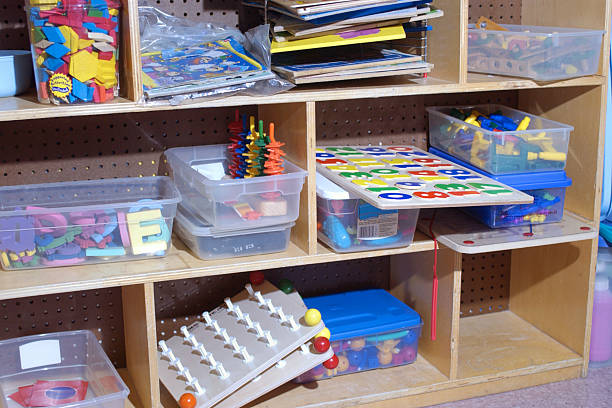
The room where play therapy happens is special. It is full of things that kids love: art supplies, sandboxes, puppets, dolls, dress-up clothes, and building toys. Every toy is a tool. The sandbox can become a whole world. A dollhouse can be the child’s own home. A puppet can say things the child is too shy to say. The child gets to choose what to play with. That choice is very important because it gives the child power. In real life, kids often have no control over what happens to them. In the play therapy room, they are the boss of their own story.
Parents are part of it too, but in a different way. The therapist meets with parents separately to talk about what is happening at home and how to support the child. Sometimes the therapist gives simple ideas, like how to use more play at home to help a child feel heard. It is a team effort. The goal is always to help the child feel better and grow stronger.
If you are thinking about becoming a counselor who works with kids, play therapy is a wonderful skill to learn. It is not just about having fun with toys. It is about understanding the deep, secret language of childhood. You get to be a safe person for a little one who is hurting. You get to help them heal without ever making them say a single word they are not ready to say. That is a beautiful thing.
So the next time you see a child playing, remember: they are not just playing. They are talking. Play therapy just gives them the right toys and a kind listener to finally be understood.