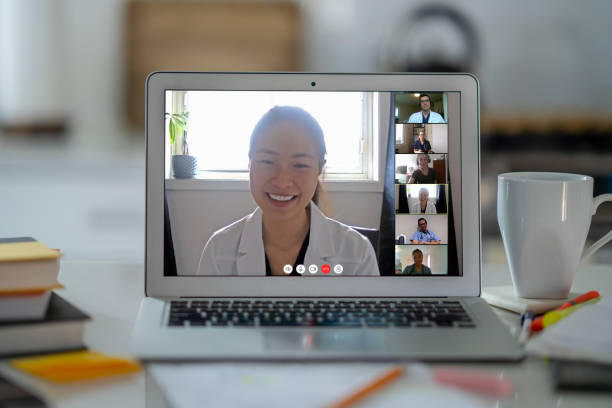
So you want to become a therapist, a counselor, or a social worker. That is a big, brave, and beautiful goal. You are thinking about going back to school, or maybe starting school for the first time, and you want to do it online because life is busy and you have kids, a job, or just really love your pajamas. I get it. But then someone mentions the scary part: clinical hours. You might have heard that you have to sit in a real room with real people and talk about real feelings for hundreds of hours. And you wonder, can you really do that through a screen? The answer is yes, you can, and it is a lot cooler than you might think.
First, let me explain what clinical hours are, just in case you are new to this. Clinical hours are the time you spend practicing therapy, counseling, or helping people under the watchful eye of a supervisor. It is like an apprenticeship. You learn by doing, not just by reading books or watching videos. In the old days, you had to go to a clinic, a hospital, or a school. You had to drive there, find parking, and sit in a waiting room. You had to wear real pants. But now, thanks to the internet and a thing called telehealth, you can do many of those hours from your own home. Your laptop becomes your office. Your living room couch becomes the chair where you help someone feel better.
One random topic that comes up a lot is how to handle the awkward quiet moments when you are on a video call with a client. In a real room, silence feels different. You can look out a window, fidget with a pen, or make a sad face. On a screen, silence can feel like a giant empty space. But here is a secret: that empty space is actually a gift. When you are quiet on a video call, your client learns to fill the space with their own thoughts. That is a good thing. You do not have to fill every second with words. You can just nod, lean forward a little, and say nothing. The client will feel heard because you are really listening. And your supervisor, who is watching the recorded session later, will see that you are calm and patient. That gets you good marks.
Another random but important topic is technology meltdowns. Imagine you are in the middle of a deep conversation with a client, and your wifi goes out. Your screen freezes. You see their face stuck in a weird expression. Panic sets in. But here is the truth: everyone has this happen. Clients understand because they also have bad internet at home. The key is to have a backup plan. Keep your phone charged. Have a second way to connect, like a hotspot from your phone. Tell your client ahead of time, “If I freeze, just wait a minute and I will call you.“ Being honest about technology makes you seem human, not perfect. And therapy is about being human together.
You might also worry about privacy. Can your family hear you talking to a client through the wall? Yes, they can. So you need a quiet space. Maybe it is a corner of your bedroom with a noise machine. Maybe you tell your kids, “Mommy is working, please do not knock unless there is a fire.“ It takes practice, but you can make it work. Many online degree programs actually teach you how to set up your home office for clinical hours. They give you checklists. They show you how to do a sound check. They want you to succeed.
One more random topic: how do you build a real connection with a client when you are not in the same room? Touch is gone. You cannot hand them a tissue. You cannot put a hand on their shoulder. But you can use your eyes and your voice. Look directly into your camera. Smile with your whole face. Speak a little slower so your words land softly. Clients often say they feel closer to their online therapist than to an in-person one because the screen makes them feel safe at home. They are in their own space, wrapped in their own blanket, and you are there with them from a distance. That is powerful.
Remember, doing clinical hours online is not easier or harder. It is just different. You will learn skills that are valuable in the modern world. And when you finally graduate and get your license, you will be ready to help people whether they are in your town or across the country. So do not let the idea of virtual clinical hours scare you. Your laptop is not a barrier. It is a bridge. Step across it. You can do this.