You want to become a therapist, but the idea of doing your clinical hours in a real office with real people might feel scary. That is totally normal. Almost everyone feels nervous before they start working with clients for the first time. The good news is, there is a way to practice your skills from the comfort of your own home. It is called virtual role-play, and it is one of the coolest parts of online degree programs. You get to pretend you are a therapist, and someone else pretends to be a client. You practice talking, listening, and helping, all while sitting in your own living room or kitchen table. No need to dress up, no driving across town, just you and your computer.
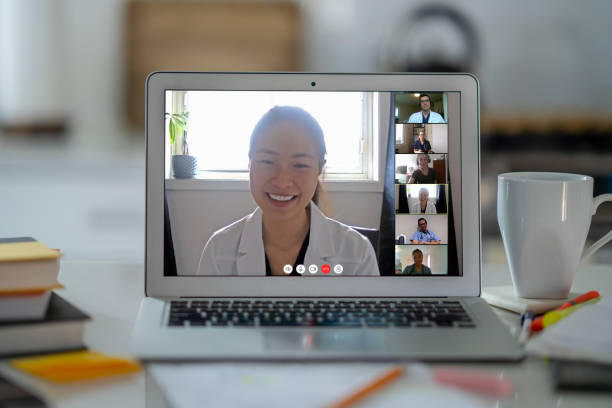
Virtual role-play works like this. Your school sets up a safe online space where you meet with a classmate or a trained actor. Sometimes it is a fellow student who is also learning to be a therapist. Other times it is someone who plays the part of a client with a real problem. You talk to them for a set amount of time, maybe twenty minutes or an hour. Your teacher or a supervisor watches from a separate video window. They do not interrupt, but they take notes. After the role-play ends, you get feedback. They tell you what you did well and what you could try next time. It is like having a coach for your therapy skills.
Why is this so helpful? Because real life can be messy. In a real therapy session, a client might cry, get angry, or go silent. If you have never practiced handling those moments, you might freeze. Virtual role-play lets you practice those hard situations in a safe place. You can mess up, laugh about it, and try again. No real client ever gets hurt, and you learn a ton. Plus, you can do it from anywhere. If you live in a small town or have a busy schedule, online role-play makes it possible to get your clinical hours without changing your whole life.
Some programs use paid actors who are trained to act like people with anxiety, depression, or family problems. That might sound fake, but it actually feels very real. The actors are good at what they do. They will make you feel like you are really in a therapy room. You will forget they are acting. And because they are professionals, they can give you feedback too. They can say, “When you said that, I felt more comfortable,“ or “I felt confused when you changed the subject.“ That kind of feedback is gold. You do not get that in a textbook.
Another option is to practice with other students. You take turns being the therapist and the client. When you play the client, you learn what it feels like to sit on the other side of the conversation. That makes you a better therapist. You understand how hard it is to share personal stuff. You also see how your classmates handle things differently. Everyone has their own style. Watching them helps you find your own voice.
The best part about virtual clinical hours is that they count toward your degree. Yes, you still need real face-to-face hours with actual clients later. But online practice hours are often accepted by licensing boards. Check with your school and your state rules, but many programs now include virtual role-play as part of your required training. That means you can start building your confidence before you ever meet a real client in person.
You might be wondering if this really works. Can you learn to be a good therapist just by talking to a screen? Many people have done it. Hundreds of therapists have completed their training through online programs and used virtual role-play to get ready for the real world. They say it helped them feel less nervous and more prepared. When they finally sat down with a real client, they already knew what to say and how to listen. They had practiced the hard parts before.
Think of it like learning to drive. You do not start on a busy highway. You start in an empty parking lot with cones. Virtual role-play is your empty parking lot. You get to steer, brake, and turn without worrying about crashing. Then, when you are ready, you merge into traffic. That is when you meet your first real client. And because you practiced, you know how to handle the road.
There is one more thing that makes virtual clinical hours special. You can record your sessions. Some programs let you watch your own role-play videos. That can feel weird at first, but it is super helpful. You see things you missed in the moment. Maybe you talked too much, or you interrupted, or you looked nervous. Watching yourself helps you improve faster than anything else. It is like having a mirror for your therapy skills.
So if you are thinking about starting a career in therapy but worry about the clinical hours, do not let that stop you. Online degree options give you a warm, safe way to practice. You will make mistakes, and that is okay. Every great therapist started out as a nervous beginner. The important thing is to start. Virtual role-play is waiting for you. All you need is a webcam, a quiet room, and the willingness to learn. You have got this. Go ahead and book your first practice session. Your future clients will thank you.