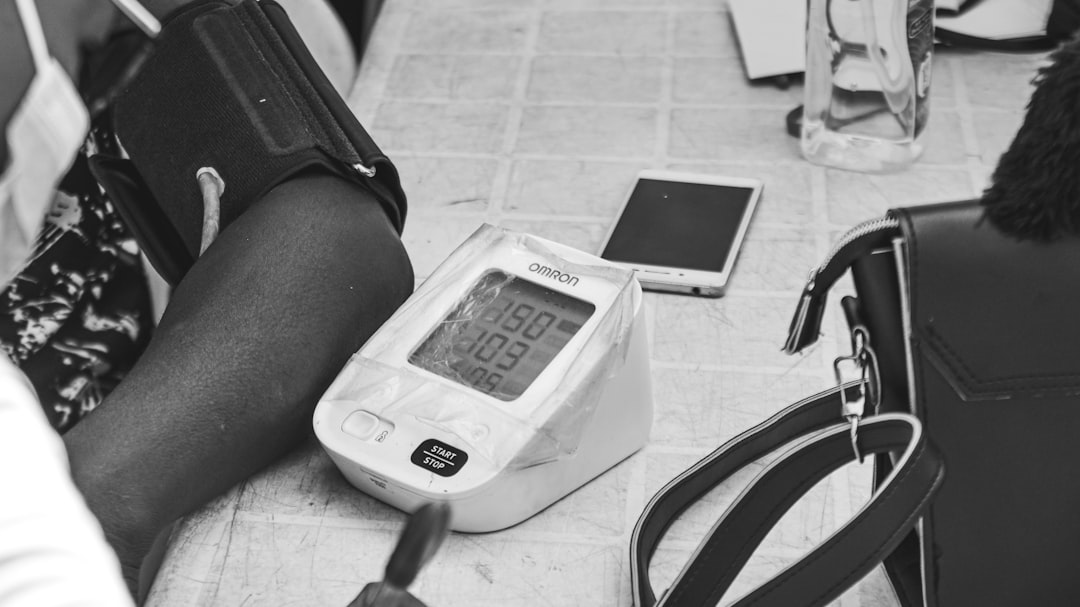
Imagine you or someone you love has to stay in the hospital for weeks or even months. It is scary, lonely, and confusing. There are doctors and nurses, but they are busy with medicine and tests. Who helps you deal with the rest of it—the worry, the money problems, the questions about going home? That is where a medical social worker steps in. In a hospital, these social workers are the people who look after the whole person, not just the sickness. They help you get through a long stay and make sure you are okay on the inside, not just on the outside.
A medical social worker’s first job is to be a listener. When you are in the hospital for a long time, you probably have a lot on your mind. You might be scared about your health, or you might feel sad because you miss your family. Maybe you are bored or angry that this is happening to you. The social worker sits down with you, asks how you are feeling, and really listens. They do not rush you. They let you talk about all the stuff that is hard to say to a doctor. This can make a huge difference. Just having someone hear you out can make you feel less alone.
But a social worker does more than listen. They also connect you with things you need. For example, if you are worried about how you will pay for your hospital stay, the social worker can help you fill out forms for insurance or government help. If you need a special machine or medicine when you go home, they make sure you get it. They know all the different programs and people in the community who can help. Think of them like a bridge between you and all the services that exist but are hard to find on your own.
Another big part of their job is talking to your family. When you are in the hospital for a long time, your family is probably worried too. They might be confused about what is happening, or they might not know how to help you. A medical social worker meets with your family, explains things in plain language, and gives them a chance to ask questions. They also help families deal with their own stress. Maybe a parent needs to take time off work to be with you—the social worker can help them find out about family leave or other support. They make sure everyone on your team, including your family, knows the plan.
Sometimes the hardest part of a long hospital stay is getting ready to leave. After weeks or months in a safe room with nurses nearby, going home can feel scary. You might need extra help at home, like a nurse who visits or someone to bring you meals. You might need changes to your house, like a ramp or a special bed. A medical social worker plans all of that before you ever walk out the door. They check in with you and your family to make sure the plan feels right. They do not just kick you out—they set you up for success.
Medical social workers also help with emotional stuff that is not always talked about. For example, if you have a sickness that will not get better, the social worker helps you and your family talk about what matters most to you. They help with hard conversations about life, death, and the things you want to do before you go. They are trained for these heavy talks and they handle them with kindness. They also help you find ways to keep your spirit up during a long stay. Maybe they bring in a pet therapist or a music volunteer, or they just come by to play a game with you. Small moments of happiness matter when you are stuck in a hospital bed.
If you are a kid in the hospital, medical social workers often become like a special friend. They help you understand why you are there, make sure you do not fall behind in school by talking to your teachers, and help your parents feel less scared. They might even bring toys or books to your room. For older people, a social worker might help them talk to their doctors about the kind of care they want as they get older. No matter who you are, the social worker is there to make sure your voice is heard.
In a hospital, everyone works as a team. Doctors and nurses handle the medicine and treatments. But the social worker handles the human part. They make sure you are not just a patient with a condition, but a person with a life, a family, and a heart. A long hospital stay is hard, but having a medical social worker by your side can make it a whole lot easier. They are like a guide through a scary forest—they know the way, they carry a light, and they never leave you behind.