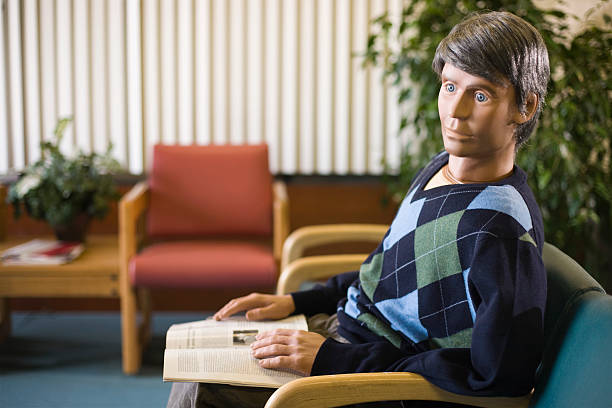
Have you ever walked into a lunchroom and felt like everyone already had a seat? Maybe you sat down with your tray, but no one looked up. Or maybe you tried to talk to someone, but they turned away. That feeling of being alone can hit hard, especially at school. You might think no one gets it. But there are people at your school whose job is to help with exactly this kind of thing. They’re called school social workers. And they’re really good at helping kids who feel left out.
School social workers are not teachers, and they’re not counselors who only talk about grades. They are trained to help with feelings, family stuff, and friends. If you feel lonely, a school social worker is someone you can go to and say, “I don’t really have anyone to hang out with.” They won’t laugh or say it’s not a big deal. They know it hurts. And they have ways to help you feel less alone.
First, a school social worker might ask you a few simple questions. Not to make you feel uncomfortable, but to understand what’s going on. Do you have any friends at all? Are there people you want to be friends with? What do you like to do? They want to know you as a person, not just as a student. After that, they might start thinking of small steps. Maybe they know a club that meets after school, like art or gaming or reading. They might help you find a lunch group where kids are friendly. Sometimes they even run a little group during the school day where kids who feel lonely can hang out together. It’s like a safe place to practice talking and making friends.
Another thing school social workers do is teach you skills. I know, it sounds like a class, but it’s not boring. They might show you how to start a conversation. Ever freeze up when you want to say hi? They can give you simple lines, like “Hey, I like your backpack” or “What are you reading?” It sounds small, but it works. They can also help you learn to read other people’s signals. If someone looks busy or sad, it might not be a good time to talk. But if they smile or look your way, that’s your chance. Practice makes it easier, and the social worker can be your practice buddy.
Sometimes the lonely feeling comes from something else, like problems at home or feeling different from other kids. Maybe you moved to a new town, or your parents split up, or you’re the only one in your school who speaks a certain language. School social workers understand that loneliness doesn’t always come from being shy. It can come from feeling like you don’t belong anywhere. They will help you see that being different is okay. In fact, it can make you interesting. They might connect you with other kids who have similar backgrounds or experiences. You’d be surprised how many people share your story.
A school social worker also talks to teachers and sometimes your parents. They don’t gossip or tell secrets. They share just enough to help others understand what you need. For example, a teacher might not realize you sit alone every day. Once they know, they can quietly pair you with a friendly classmate for a project. Little changes like that make a big difference.
If you ever feel really down, like you don’t want to go to school at all, the social worker is the person to see. They can check in on you every day for a few weeks. Just knowing someone cares can lift the weight off your shoulders. They might help you make a plan to feel better, step by step. And they always remind you that being alone now doesn’t mean you’ll be alone forever. Friendships take time, and you deserve good ones.
So if you ever feel lonely at school, don’t tough it out by yourself. Look for the school social worker. They’re usually in a quiet office with a comfy chair. They’re the ones who smile and say, “Hey, how’s it going?” and actually want to hear the real answer. You are not the only kid who feels this way. And with a little help, you can find your people.