When you study to become a therapist, you do not just read books. You need to sit with real people and practice listening, asking questions, and helping. That time is called clinical hours. In the past, you had to be in the same room as a client and a mentor. Now, more online degree programs let you earn some of those hours through video calls. This can be great if you live far from a big city, have a job, or care for family. But it is not as simple as turning on a camera and clicking join. You need to know the rules, the limits, and how to make it work.
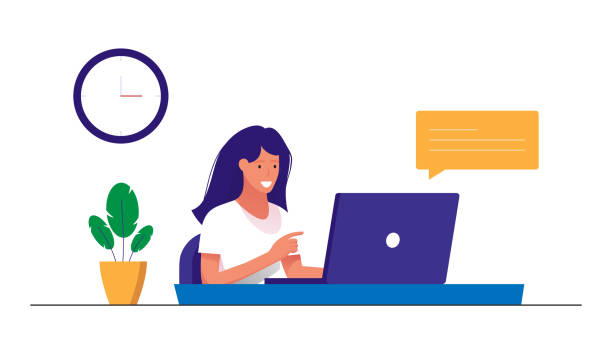
First, know that virtual clinical hours are real work. You may meet a client through a safe video platform. You may talk with them about their worries, goals, and daily life. Your mentor may watch part of the session or talk with you after. Some programs also let you practice with other students in online role plays. You might watch recorded sessions and write about what you saw. All of these can count, but only if your school and your state say yes. Every state has its own rules. Some states allow many online hours. Some allow only a few. Some still want most hours in person. So before you pick a program, ask a simple question: “Can I finish my clinical hours online, and how many?“ Get the answer in writing. This saves time and money later.
Next, check who can supervise you. A mentor must have the right license and training. In some places, the mentor can meet with you by video. In other places, the mentor must be in the same building for some sessions. If you use a video call, make sure the platform is private and safe. You do not want strangers listening in. You also need a quiet room with a strong internet connection. A backup plan is smart. What if the internet drops? What if the video freezes? Have a phone number ready. Tell your client what to do if the call ends. These small steps help people feel safe and respected.
Virtual hours can also help you learn skills that in-person hours may not teach as much. You learn to notice tone, pauses, and body language on a screen. You learn to build trust when you are not in the same room. You learn to use technology in a caring way. These skills are useful because many therapy jobs now use video calls. But online hours have limits. It can be harder to feel the full room. You may miss small signals. You may feel tired from screen time. That is why many programs mix online and in-person hours. You might do some sessions by video and some at a clinic. This mix can give you the best of both worlds.
If you want to make virtual hours work, start early. Talk with your school before you sign up for classes. Ask how they find clients for online sessions. Ask if they help with technology. Ask if they have a list of mentors who work online. Keep a folder with every hour you finish. Write down the date, the time, what you did, and who watched. This record will help when you apply for your license. It also helps you see how much you have grown. Do not wait until the last minute. Clinical hours can take many months. The sooner you plan, the less stress you will feel.
Finally, be kind to yourself. Learning to be a therapist is hard. Doing it through a screen can feel strange at first. You may feel awkward. You may worry that you are not helping. That is normal. Talk with your mentor. Talk with other students. Ask for feedback. Practice your listening skills with friends. Take breaks. Move your body. Keep your goal in mind. You are learning to help people who need someone to hear them. Whether you sit across from them or see them on a screen, that care still matters. Virtual clinical hours are not a shortcut. They are a new path, and with good planning, they can lead you to a career you love.