Imagine you want to become a therapist. You are excited to help people, but you also have a job, a family, and a life that can’t just stop while you go back to school. You need something that fits around your schedule, not the other way around. That is where hybrid programs come in. These programs mix online classes with a few in-person meetings, and they are perfect for people who want flexibility but also need real, hands-on practice. Let me tell you why this might be the right path for you.
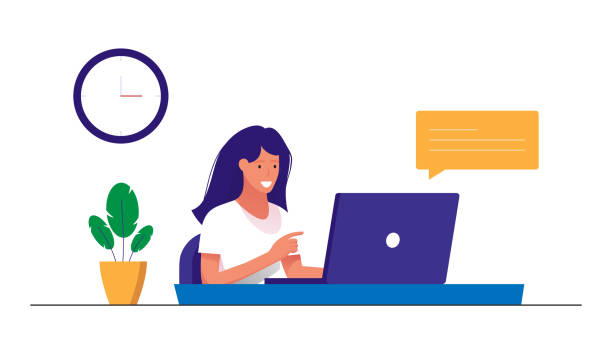
First, let’s talk about what a hybrid program actually looks like. Most of your coursework happens online. You read articles, watch videos, join discussion boards, and sometimes have live video chats with your teacher and classmates. You can do all of this from your couch, your kitchen table, or even during your lunch break at work. The online part lets you learn at your own pace, as long as you meet weekly deadlines. That alone can save you hours of driving and sitting in a classroom.
But here is the best part: hybrid programs still give you real-life experience. In the therapy world, you cannot just read a book about how to listen to someone—you actually have to practice listening. So hybrid programs schedule a few in-person weekends or evening sessions at a local campus or training center. During those meetups, you practice counseling skills with other students. You role-play conversations, get feedback from instructors, and learn how to handle tough moments like a client crying or getting angry. That face-to-face time is priceless, and it makes sure you are truly ready to work with real people.
For example, let’s say you are studying to become a substance abuse counselor. You might do an online module about addiction and recovery. Then, once a month, you go to a weekend workshop where you practice asking questions in a supportive way and learn how to help someone who is struggling. You also might visit a local clinic for a few hours to observe a real counselor at work. That mix of online learning and in-person training is exactly what hybrid programs offer.
Another great thing about hybrid programs is that they help you build a support system. Online classes can sometimes feel lonely, but when you meet your classmates in person every few weeks, you actually get to know them. You share stories, laugh together, and help each other study. Those connections can last long after you graduate. Plus, your instructors get to see you in person, which means they can give you personal advice about your career path. They might even become mentors or write recommendation letters for you one day.
Now, you might be wondering, “Is a hybrid program easier than a fully in-person program?” The honest answer is no. It is still hard work. You have to be very organized and disciplined because nobody is standing over your shoulder reminding you to do your homework. But the flexibility makes it possible for people who have busy lives to still chase their dreams. If you have kids, a full-time job, or live far from a university, a hybrid program can be a lifesaver.
One more thing: hybrid programs often cost less than traditional on-campus programs. You save money on gas, parking, and sometimes even tuition, because the school does not have to pay for as many classrooms. That leaves you with more money to invest in your future, like buying books or paying for a professional license exam.
So, if you are thinking about starting a career in therapy but feel stuck because your schedule is packed, look into hybrid programs. They blend the convenience of online learning with the hands-on practice you need to be a great helper. You can keep your job, take care of your family, and still become a trained therapist who makes a real difference. It is not always easy, but it is worth it. And remember, every step you take brings you closer to the day when you walk into a room, sit down with someone who is hurting, and say, “I am here for you.” That is a feeling you cannot get from any textbook.