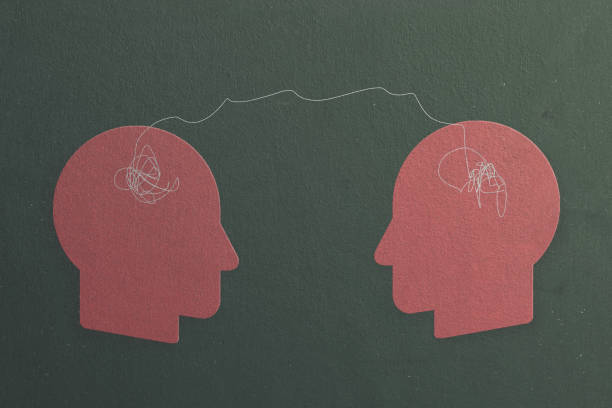
When you first hear about supervision hours for becoming a therapist, you probably think, okay, I need a certain number of hours where I talk about my clients and get advice. That is true. But here is the thing nobody tells you at the start. The real surprise about supervision is that you end up learning way more about yourself than you ever expected. It is not just about fixing your cases. It is about figuring out who you are as a helper and as a person.
Let me explain what I mean. When you sit down with your supervisor, you might bring a story about a client who is really struggling. Maybe they are angry, sad, or stuck in a bad pattern. You describe what happened, and you ask for ideas. Your supervisor listens and then asks you a question that catches you off guard. They might ask, how did that make you feel? Or, what did you do in that moment? Suddenly you are not just talking about the client. You are talking about your own reactions, your own worries, and your own past. That can feel weird at first. You might think, I am here to learn how to help others, not to talk about myself. But that is exactly what makes supervision so powerful.
Think about it this way. When you work with people who are hurting, their stories can touch your own life. Maybe you have been through something similar and you did not realize it. Or maybe a client reminds you of a family member, and you start treating them differently without even knowing it. A good supervisor will help you see those patterns. They will gently point out when your own feelings are getting in the way. That is not a bad thing. It is a chance to grow. Every therapist brings their own history into the room. The best ones learn to understand that history so it does not mess up their work.
Another surprise is how much you learn about your own strengths and weaknesses. Maybe you are great at listening but terrible at setting boundaries. Or maybe you are wonderful at giving advice but shy about sitting with silence. Your supervisor will notice these things and help you build the skills you are missing. It can sting a little to hear that you have room to improve. But remember, everyone starts somewhere. No one walks into supervision a perfect therapist. The whole point is to get better, and you cannot get better if you pretend you are already perfect.
You might also learn that you care too much or not enough. Some new therapists want to rescue every client. They take all the pain home with them and feel exhausted. Others keep a wall up and never really connect. Supervision helps you find the healthy middle ground. You learn how to care deeply without burning out. You learn how to be professional without being cold. That balance comes from looking at your own heart honestly.
And here is another surprising thing. Supervision hours can feel lonely at first. You are talking about hard stuff. You might even cry. But that is actually a good sign. It means you are letting yourself be real. Your supervisor is not there to judge you. They have been where you are. They know what it feels like to doubt yourself. So when you admit that you are scared or confused, you are not being weak. You are being brave. And that bravery will make you a much better therapist in the long run.
Finally, the biggest surprise is that supervision changes you as a person, not just as a professional. You start to notice your own habits in everyday life. You become more aware of how you react when someone is upset. You learn to listen better to your friends and family. You even start to forgive yourself more because you understand that everybody is struggling with something. That is the gift of supervision. It makes you not only a skilled helper but also a more kind and grounded human being.
So when you start those supervision hours, do not just think about checking off a requirement. Think about all the self-discovery that is coming your way. Be open to the questions that make you think. Be ready to look at yourself in a new light. And remember, every moment of honest reflection is a step toward becoming the therapist you truly want to be. That is what supervision is really for.