Have you ever walked into a room and felt calm just because the walls were painted blue? Or felt energized in a yellow kitchen? Colors affect us more than we realize. And when you sit down to do art therapy, the colors you pick can actually tell you a lot about what is going on inside your head and heart.
I remember the first time a therapist handed me a box of crayons and said, “Just pick a color that feels right today.“ I thought it was silly. But I grabbed a dark gray. I didn’t know why. We talked about it, and I realized I was feeling heavy and a little sad. The gray matched that weight. That moment showed me that colors are a secret language. You do not need fancy words to say how you feel. You can just pick a color.
In art therapy, there is no “right” or “wrong” color to use. If you feel like using black, that is okay. If you want to use bright pink, that is okay too. The point is to let your hand move without thinking too much. Your brain will naturally pull colors that match your mood, even if you are not aware of it. For example, someone feeling anxious might grab a lot of reds or oranges. Someone feeling peaceful might choose soft greens or blues. By looking at what colors you chose, a therapist can help you talk about feelings you might not have words for.
One of the coolest things about art therapy is that it works for people of all ages. Kids who cannot explain why they are upset can draw a picture with angry red scribbles and then feel better. Adults who have trouble opening up can paint a landscape using dark stormy colors and slowly start to talk about the storms in their own life. It is like giving your feelings a shape and a color so they feel real and safer to look at.
You might wonder, “What if I am not good at art?“ That does not matter at all. Art therapy is not about making a pretty picture. It is about the process of creating. When you mix colors, you are also mixing your feelings. When you choose a blue paint, you are choosing to spend time with the calm part of yourself. When you choose a fiery red, you are letting out some of that energy. It is a way to express yourself without having to be perfect.
Sometimes people think art therapy is only for kids or only for people with serious problems. That is not true. Anyone can use it. If you are stressed about a job change, or you are sad about a friend moving away, or you just feel confused about life, sitting down with some paint or markers can help you sort things out. You do not even need a therapist around all the time. You can try it at home. Get a piece of paper and pick a color that matches how you feel right now. Then make a shape or a line with it. Notice how it feels. Then pick another color and see what happens.
There is also something called a “color mood wheel” that some therapists use. It is a circle divided into sections with different emotions tied to different colors. For example, yellow might be joy, blue might be sadness, green might be envy, purple might be creativity, and red might be anger. But these are just guides. Your own meaning for colors might be different. Maybe for you, purple feels sad because it reminds you of a rainy day. That is your personal color language. The important thing is to listen to your own gut when you choose.
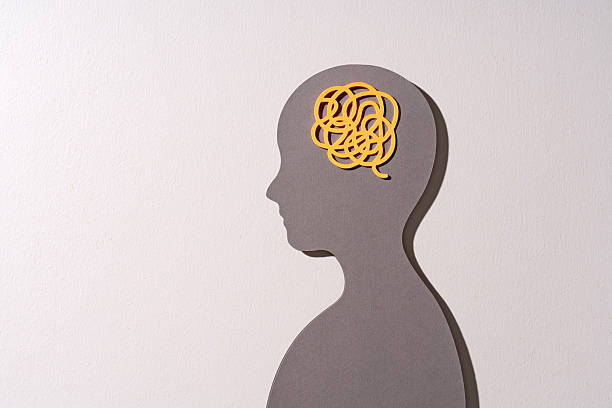
Art therapy using color can also help with big life changes. If you are thinking about a new career in mental health counseling, for instance, you might have lots of mixed feelings. Excitement, fear, hope, worry. Instead of trying to untangle all those words, you can paint them. Make a messy picture with a bunch of different colors. Then step back and look at it. You might see that the hope colors are bigger than the fear colors. Or you might see that the fear colors are all clumped together. That can give you a new way to understand yourself.
Another exercise a therapist might give you is to draw a “color timeline.“ Think about your day or your week. Use different colors to show how you felt at different times. Maybe morning was a sleepy gray, lunchtime was a happy yellow, afternoon was a stressed red, and evening was a calm violet. Looking at that timeline can help you notice patterns. You might realize you always feel stressed at 2 p.m. That can help you plan a break or a walk at that time.
The best part about colors in art therapy is that they do not judge you. A black crayon does not care if you are a bad artist. A bright orange marker will not laugh at your shaky lines. They are just tools for your feelings. So if you ever feel stuck, grab some colors and start making marks. You might be surprised at what you find out about yourself. And if you are thinking about becoming a therapist who helps others this way, remember: you do not need to be a pro painter. You just need to be someone who is willing to sit with another person and say, “What color are you feeling today?“
That simple question can open a door to healing that words alone sometimes cannot find. So go ahead, pick up a crayon or a tube of paint, and see what your heart wants to say. It might be more colorful than you think.