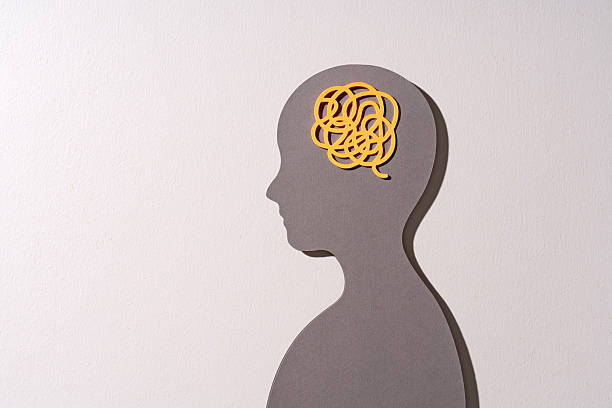
Have you ever had a day where you just couldn’t find the right words to say how you feel? Maybe you were angry, sad, or confused, but when someone asked what was wrong, you just shrugged. That happens to all of us. Words are tricky sometimes. But there’s another way to let those feelings out. It’s called art therapy, and you don’t need to be a great artist to do it. In fact, the messier the better.
I remember a time I was feeling really stuck. Everything felt heavy, but I couldn’t explain why. A friend handed me a piece of paper and some crayons. She said, “Just draw what you feel. Don’t think about it.” So I scribbled. Big, dark, sharp lines. Then I added some red circles. When I was done, I looked at it and thought, “Oh, that’s anger mixed with worry.” Just seeing it on paper made me feel a little lighter. I didn’t have to explain it to anyone. I just saw it for myself.
Art therapy is a creative way to work through your feelings. A trained counselor might ask you to draw, paint, or make a collage. The goal isn’t to make something pretty. The goal is to let your inside feelings come outside. It’s like giving your emotions a safe place to live for a while. When you see them on paper, you can look at them without being stuck inside them.
One simple exercise is making a feelings collage. You just need some old magazines, scissors, glue, and a piece of cardboard. Start by flipping through the magazines. Cut out any pictures, colors, or words that grab your attention. Don’t think too much. Let your hand do the work. Then arrange the pieces on your cardboard the way that feels right. Glue them down. When you’re done, take a breath and look at it. What do you notice? Maybe a lot of blue. Maybe a photo of a person alone. Maybe a word like “tired.” That collage is talking to you. It’s telling you something about how you feel that you might not have known.
Another easy thing is just doodling. Grab a pen and a piece of paper. Start making shapes, lines, or patterns. Let the pen move however it wants. If you’re tense, you might make tight, sharp shapes. If you’re sad, you might make droopy, soft lines. If you’re happy, you might swirl and loop. After a few minutes, look at your doodle. Ask yourself, “Does this look like how I feel inside?” You might be surprised.
The cool thing about art therapy is that it works even when you don’t talk. Sometimes talking about hard stuff is too scary. But a drawing can say everything without a single word. A counselor trained in art therapy can help you understand what your art is telling you. They don’t judge it like a school art teacher. They just help you explore it. For example, if you always draw the same kind of storm cloud, maybe that cloud is trying to tell you something about stress in your life. When you understand that, you can start to figure out what to do about it.
Art therapy is for all ages. Kids love it because they already know how to play and draw. Adults sometimes think they have to be good at art, but that’s not true. I’ve seen people use scribbles, stick figures, and even ripped paper to express deep feelings. The mess is part of the healing. You can even use clay or play dough. Squishing and shaping something with your hands can help release tension.
You don’t have to do art therapy alone. Many therapists use it in their sessions. They might give you a prompt like, “Draw a picture of your worry” or “Make a mask that shows how you feel on the outside versus the inside.” It can feel weird at first, but it gets easier. Over time, you learn to trust your hands more than your words.
If you’re thinking about a career in mental health counseling, art therapy is one of the many tools you can learn. You don’t have to be an artist to teach others about it. You just need to be a good listener and someone who believes that feelings are real, even when they’re messy.
So next time you’re feeling something big and you can’t find the words, grab a crayon. Scribble. Doodle. Tear up some paper. Let your feelings out without worrying about how it looks. That’s art therapy. It’s simple, safe, and you can start right now.