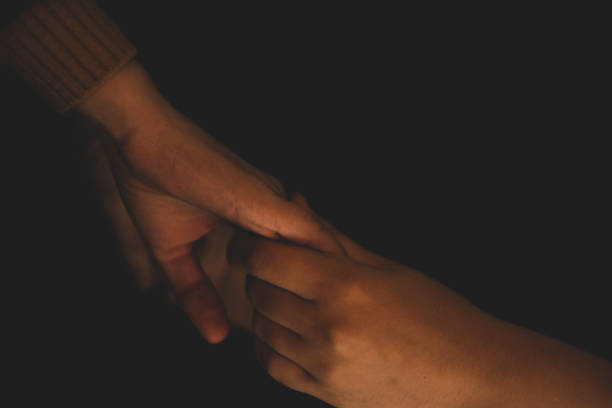
Walking into a hospital can feel like stepping into a whirlwind. There are beeping machines, rushed footsteps, and families huddled together with worry in their eyes. In the middle of all this, hospital social workers are the calm, caring people who help patients and families find their footing. They do not wear white coats or carry stethoscopes, but they bring something just as important: a blend of kindness, know-how, and steady support. If you are thinking about this career, you might wonder, “What skills make a good hospital social worker?” The answer is not just one thing. It is a whole collection of human strengths that work together like instruments in a band, each one needed to create a soothing, helpful sound.
First and foremost, a great hospital social worker is a wonderful listener. This sounds simple, but it is deeper than just hearing words. Imagine a patient who has just received scary news. They might not say, “I am terrified.” Instead, they might talk about who will feed their cat or how they cannot miss work. A skilled social worker hears the fear beneath those everyday worries. They lean in, make eye contact, and give the person space to let it all out. They are not already thinking of what to say next; they are truly present. This kind of listening tells a patient, “You matter. I am here for you.” Without it, no other skill can do its job.
Right next to listening is clear, gentle communication. Hospitals are full of medical words that can make your head spin. A good social worker translates that confusing language into plain, simple terms. They help families understand what is happening, what the plan is, and what choices they have. They also speak up for the patient when the patient feels too small or too weak to speak for themselves. Maybe a patient needs a special diet because of their faith, or a parent is afraid to ask about financial help. The social worker becomes their voice, always respectful but always firm when it counts. They communicate with doctors, nurses, and insurance companies, making sure everyone is on the same team.
Of course, hospitals are places where feelings run high. This is where emotional strength and patience shine. A good hospital social worker can sit with someone who is crying, angry, or completely numb without trying to rush them into feeling better. They know that healing takes time and that grief has its own schedule. They do not take a patient’s outburst personally, understanding that pain and fear often come out sideways. This kind of patience is like a deep well that never runs dry. It allows the social worker to stay steady when everything around them feels shaky. They also need to care for their own heart, finding healthy ways to let go of the day’s sadness so they can come back fresh tomorrow.
Another skill that may surprise you is creative problem-solving. No two days are ever the same in a hospital, and no two families have the same needs. One patient might be homeless and need a safe place to go after leaving the hospital. Another might need a wheelchair ramp built at home, but their insurance will not cover it. A third might be a child whose parents speak very little English and are lost in the maze of paperwork. A social worker pieces together solutions like a puzzle master. They know community resources inside and out: food banks, support groups, low-cost transportation, translation services, and emergency housing. They think on their feet and rarely give up, even when the first few ideas do not work. They are determined to find a way forward because they know someone’s well-being depends on it.
Teamwork is another cornerstone. A hospital is a huge, living organism made up of countless people doing different jobs. A social worker is the bridge between the medical world and the human world. They huddle with nurses to share that a patient is extra anxious today. They chat with physical therapists about a patient’s home setup. They call a patient’s family doctor to make sure follow-up care is ready. This collaboration means the patient is seen as a whole person, not just a list of symptoms. Being a team player also means knowing when to lean on others. Social workers are strong, but they do not have to carry every burden alone. They ask for help from their supervisor or coworkers when a case feels too heavy or complicated.
Cultural awareness is a skill that brings dignity to every interaction. People come to the hospital from every background you can imagine. They have different beliefs about health, healing, and family roles. A Muslim family might need privacy for prayer. An elderly patient from a close-knit culture might want their entire extended family involved in decisions. A good social worker approaches each person with curiosity and respect, never assuming their own way is the only right way. They ask gentle questions and honor traditions, even when those traditions are unfamiliar. This makes families feel safe and seen during a very vulnerable time.
Beneath all these skills is a strong sense of advocacy and justice. A hospital social worker does not just accept a broken system. If a family is being unfairly denied care or a patient’s rights are being ignored, the social worker steps into action. They might file appeals, connect people with legal aid, or bring problems to the attention of hospital leaders. They fight for people who have been pushed to the edges, whether because of poverty, disability, language barriers, or discrimination. This fire for fairness keeps the heart of the profession beating strong.
Finally, a splash of hopefulness and a sense of humor can carry a social worker through the hardest days. They find small moments of joy with patients: a shared laugh over a silly joke, a quiet celebration when a child takes their first steps after an accident, the squeeze of a hand that says thank you. They believe in the human spirit’s ability to survive and even thrive despite enormous challenges. They carry that hope like a lantern into every room they enter, and they pass it along to those who have temporarily lost their own.
In the end, becoming a good hospital social worker is not about memorizing laws or filling out forms perfectly, though those things matter. It is about building a set of human skills that grow stronger with practice and heart. If you are someone who cares deeply, who listens without judgment, and who will stand beside a stranger on their hardest day, then you might already have the seeds of this work inside you. The path takes training, patience, and a willingness to learn from every person you meet, but the world of therapeutic help needs exactly that kind of everyday hero.