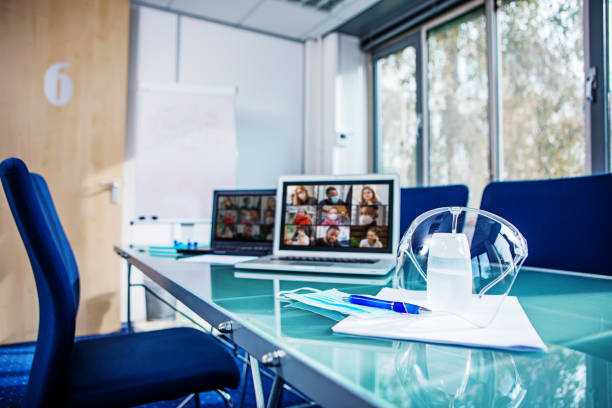
When you study online to become a counselor or therapist, you learn a lot by reading and watching. But you also need to practice. Telehealth training helps you meet with people through a screen. It can feel strange at first. You are not in the same room. You cannot hand someone a tissue. You have to find new ways to show you care. Tech tools can make this practice feel real.
One helpful tool is video calling. You likely use video calls with friends. In class, you can use them with a classmate. One person plays the client. The other plays the therapist. Then you switch. You learn where to look. You learn how to pause. You learn how to ask a question and wait. Waiting can feel awkward on a screen. But practice helps. You also learn to check your camera and sound. A bad microphone makes a session hard. A dark room makes you hard to see. Small things matter.
Another tool is recording. Many programs let you record your practice talks. You can watch later. Most people do not like watching themselves at first. That is normal. But it helps you learn. You can see if you talk too fast. You can see if you forget to nod. You can see if you look away when someone shares something hard. You can also see what you did well. Maybe you stayed calm. Maybe you asked a kind question. Then you can try again.
Some programs use virtual clients. These are actors or computer characters. They pretend to have real problems. You practice listening and responding. You can make mistakes without hurting a real person. Your teacher can give you feedback. They might say, “Ask more open questions,“ or “Give the client time to think.“ This builds confidence. It is like a flight simulator for therapists.
Online training also uses chat, screen sharing, and digital whiteboards. Chat can help when someone cannot use video. Screen sharing lets you show a worksheet or a breathing exercise. A whiteboard lets you draw together. You might draw a feelings wheel. These tools help clients stay involved. They help you explain ideas in a new way. You do not need to be a tech expert. Just practice before a real session.
A big part of telehealth training is handling tech problems. What if the video freezes? What if the sound cuts out? What if the client cannot log in? Good training teaches a backup plan. You might ask for a phone number. You might say, “Let’s turn off video and use audio only.“ You learn to stay calm when tech fails. Clients may feel upset when tech goes wrong. Your calm voice can help.
Privacy is another key topic. You learn to use secure tools. You learn not to use your personal email for work. You learn to sit in a private room. You learn to use headphones. You also learn to talk about privacy in plain words. You might say, “I am in a private place, and I will keep our talk private.“ This helps clients trust you.
Group work online is useful too. You may join a small group through video. You practice group skills. You learn to make room for quiet people. You learn to slow down people who talk a lot. You learn to use breakout rooms. It can feel messy, but it is good practice.
Finally, telehealth is not about being perfect with tech. It is about connection. A screen can feel cold, but it can also bring help to people who cannot leave home. If you look at online degree options, ask if the program gives hands-on telehealth practice. Ask if you will get feedback. Ask if you will learn video tools, privacy, and backup plans. You do not need to know everything now. Start small. Practice with a classmate. Watch your recordings. Try again. Your care and listening still matter. The tech is just a bridge. You can grow into it one session at a time. You do not have to be perfect on day one. Every small step helps you feel more ready. The goal is to help people feel heard, even from far away.