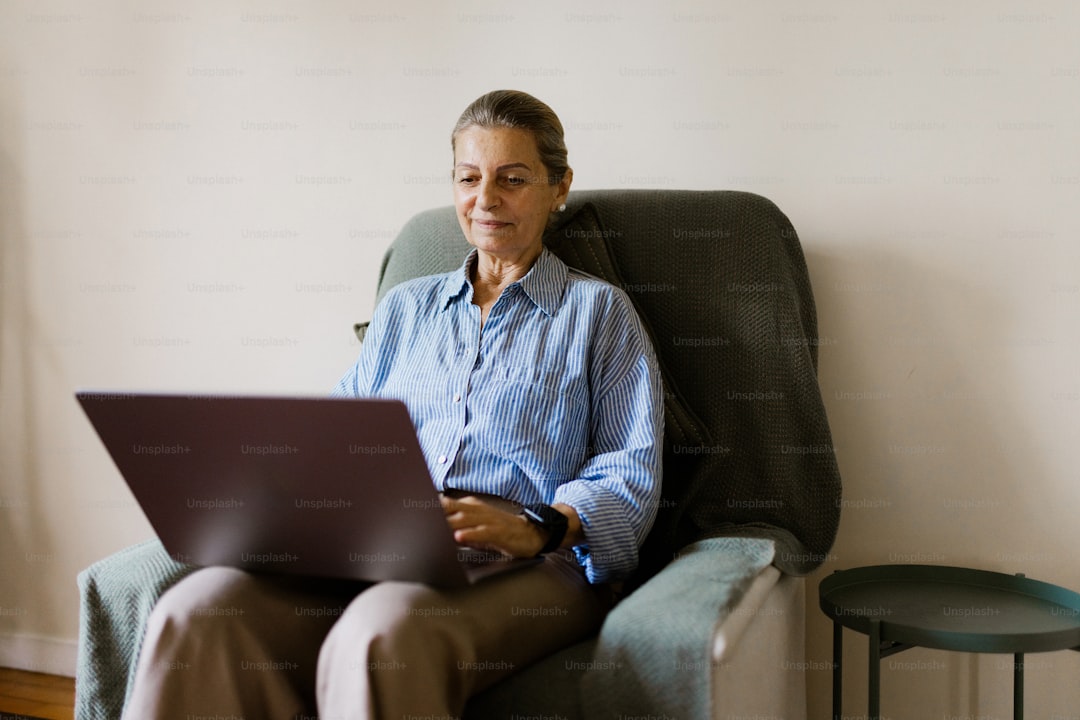
So you want to help people as a therapist, but you also like the idea of doing it from your own home office. That is great news. More and more therapists are seeing clients over the internet instead of in a shared room. This is called online therapy, and it is growing fast. If you are starting your training right now, the best thing you can do is get comfortable with the tech tools that make online therapy work. You do not need to be a computer genius. You just need to know a few simple tools and practice using them. Let me walk you through the ones that matter most.
First, think about video calls. You already know how to use them, right? Maybe you have talked to grandma on a video app or joined a class meeting from your bedroom. But online therapy is a little different. You need to make sure your picture is clear and your sound is good. That means finding a quiet space, using a decent camera on your computer, and testing your microphone before every session. In your training, you will practice having fake therapy talks with your classmates over video. That is the perfect time to learn how to look at the camera, not yourself. It feels strange at first, but with practice you will get used to it. You also need a stable internet connection. If your video keeps freezing, your client may feel frustrated or even worried. So during your online degree program, pay close attention to your own setup. Learn what makes a call run smoothly.
Next, there are secure messaging apps. Therapists need to talk to clients between sessions sometimes. Maybe a client wants to quickly change an appointment or ask a simple question. But you cannot just use regular text messages. Those are not private enough. Instead, therapists use special apps that keep everything secret and safe. These apps work like texting, but they have extra locks on them. Your training will teach you which ones are good and how to keep your clients’ information protected. You will learn to set boundaries too. For example, you might tell a client that you only read messages during work hours. That is a smart thing to learn early. Online therapists get messages all the time, and you need a plan to handle them without feeling overwhelmed.
Another tool you will use a lot is an online schedule book. Gone are the days of paper planners or calling back and forth to find a time. Today, many therapists let clients book their own appointments through a simple website link. You set your available hours, and clients pick a slot. The system even sends reminder texts so people do not forget. This saves you a ton of time and stress. In your degree program, you will probably get to try a practice version of one of these schedulers. Do not skip that lesson. Knowing how to set up your calendar, add breaks, and block off days off is a real skill. It makes you look professional and helps you avoid double-booking or missing someone.
Now, let us talk about digital notes. When you see a client in person, you might write notes on paper. But for online therapy, you really want a digital system. This is often called an electronic health record, but do not let the fancy name scare you. It is just a secure place where you keep information about each client, like their goals, progress, and any important details from your sessions. These systems are built to be safe so that no one outside your practice can see them. During your training, you will learn how to type your notes quickly, save them in the right spot, and share them with supervisors or teachers when needed. Some of these systems even have reminders or alerts to help you stay organized. Getting comfortable with digital notes will make your first real job much easier.
There are also tools that make online sessions more fun and helpful. Have you ever seen a whiteboard on a video call? It is just a blank space on your screen where you can draw or type. Therapists use this to show ideas, map out feelings, or help clients brainstorm solutions. For example, if a client is trying to change a bad habit, you can draw a chart together and fill it in week by week. Some therapists also share their screens during a session. They might pull up a worksheet or a breathing exercise video for the client to watch. This keeps the session active and interesting, even though you are not in the same room. Your classes will give you chances to try these screen-sharing features. Play around with them. Figure out which ones feel natural to you.
One more important tool is a good pair of headphones. This may sound silly, but headphones keep your conversations private and help you hear better. If you are in a shared living space, headphones stop other people from hearing your client’s words. Also, when you wear them, you can pick up soft sounds in the client’s voice, like when they take a deep breath or pause before answering. That matters. In online training, you will learn that listening is not just about the words. It is about hearing the small stuff too. So start using headphones during your practice calls now. Get used to how they feel and how they improve your focus.
Finally, do not forget about your own comfort with setting up a professional space at home. Some tech tools are not apps or gadgets. They are things like a simple ring light to make your face look clear, a good chair that keeps your back happy, and a door sign that tells roommates you are working. All of this helps your therapy sessions feel calm and professional. Your future clients will notice if your background is messy or your pet keeps barking. You can handle these problems with a few smart choices.
So, as you move through your online degree program, treat every tech tool like a new friend. Practice with them, make mistakes, and try again. In a short time, you will feel ready to help people from anywhere. Online therapy is a real, wonderful way to make a difference. With these tools under your belt, you will be set to build a career that is flexible, modern, and full of meaning.