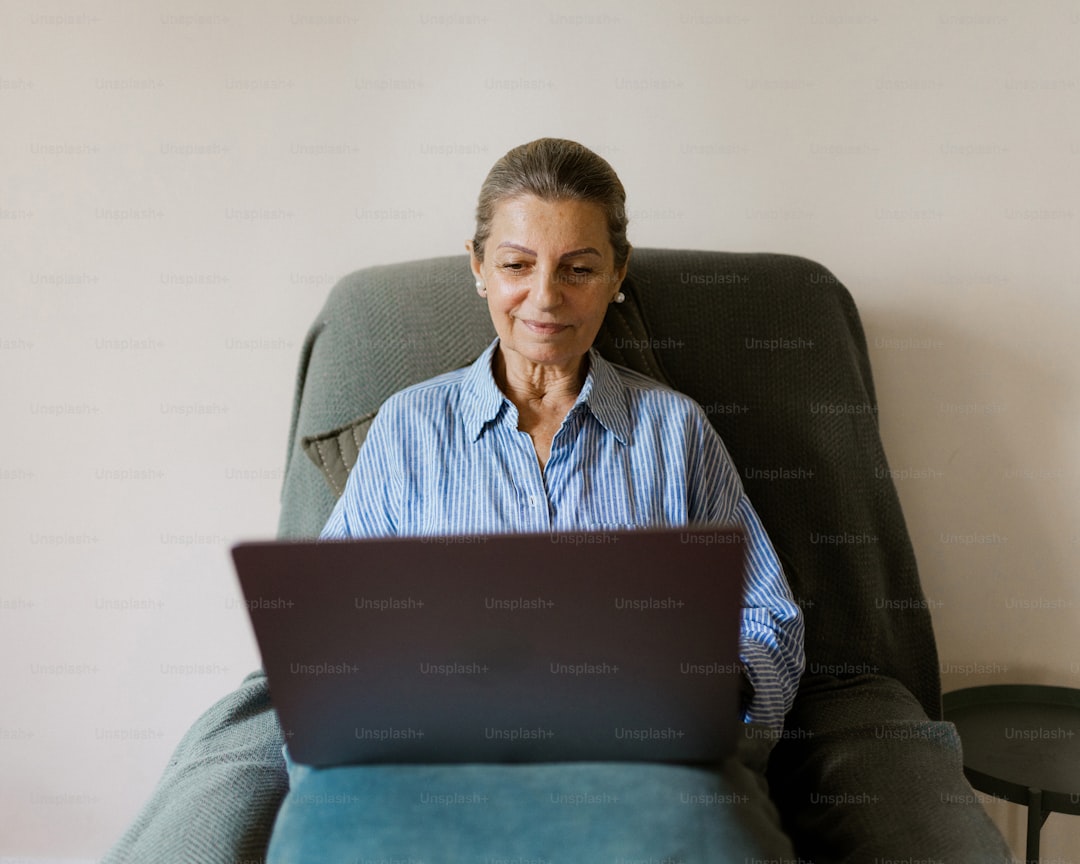
You finished your classes. You passed your exams. You maybe even have your license or you are close. Now you want to help people. And you want to do it from home. That dream is real. Telehealth therapy is growing, and new grads can find good work. But working from home as a therapist is not just sitting in pajama pants and nodding at a screen. It is a real career with real skills, real rules, and real feelings. Here is what I wish I knew.
First, know that telehealth is just therapy over video, phone, or chat. You still use the same listening skills you learned in school. You still build trust. You still help people sort out big feelings. The difference is the room. Your room. Your chair. Your internet connection. That can feel freeing. It can also feel strange. When a client is in their kitchen and you are in your spare bedroom, you have to work harder to make the space feel safe.
One of the first things you learn is that tech matters more than you think. A bad connection can stop a deep talk. A weird echo can make a person feel unheard. So you test your camera before each day. You keep a backup plan. You learn where in your home has the best light and the quietest background. You also learn to dress like a professional, even if no one sees your shoes. That helps your brain switch into work mode.
Your day might look different from a clinic day. You may see clients back to back. Then you have notes to write. You may have a lunch break that is only long enough to eat and stretch. You may miss the small talk with coworkers. That can feel lonely. So you have to build your own support. You can join an online group for new therapists. You can ask your supervisor for help when a case feels heavy. Asking for help is not a weakness. It is how you last.
Boundaries become your best friend. When your office is also your home, work can follow you. You might want to check emails at night. You might think about a client while you cook dinner. That is normal. But you need a way to stop. Maybe you close your laptop and put it in a drawer. Maybe you play one song that tells your brain the day is done. Small actions can make a big difference.
You also need to think about privacy. Your clients trust you with hard stories. You must keep their info safe. Use a private room. Use headphones. Use a secure video service that your job approves. Do not talk about clients where family can hear. This is not just a rule. It is a way to show respect. When clients feel safe, they can do the brave work of healing.
Paperwork is still a big part of the job. You will write notes after sessions. You will keep track of appointments. It is not the most exciting part. But it matters. Good notes help you remember what happened. They help you give better care. They also protect you if someone asks questions later. Try to do notes soon after each session. If you wait, the details fade.
The best part of telehealth is the reach. You can help someone who lives far from a city. You can help a busy parent who cannot drive to an office. You can help a person who feels safer at home. That is a gift. You are still a therapist. You are just using a screen as your door. You can build a career that fits your life. You can grow into a supervisor or run your own therapy business.
But take it slow. Your first year is for learning. You will make small mistakes. You will learn what works for you. Find a mentor. Ask questions. Rest when you can. Celebrate the wins. You are entering a field that needs kind, steady people. If you can listen, learn, and care for yourself too, you can do this work from home and do it well.