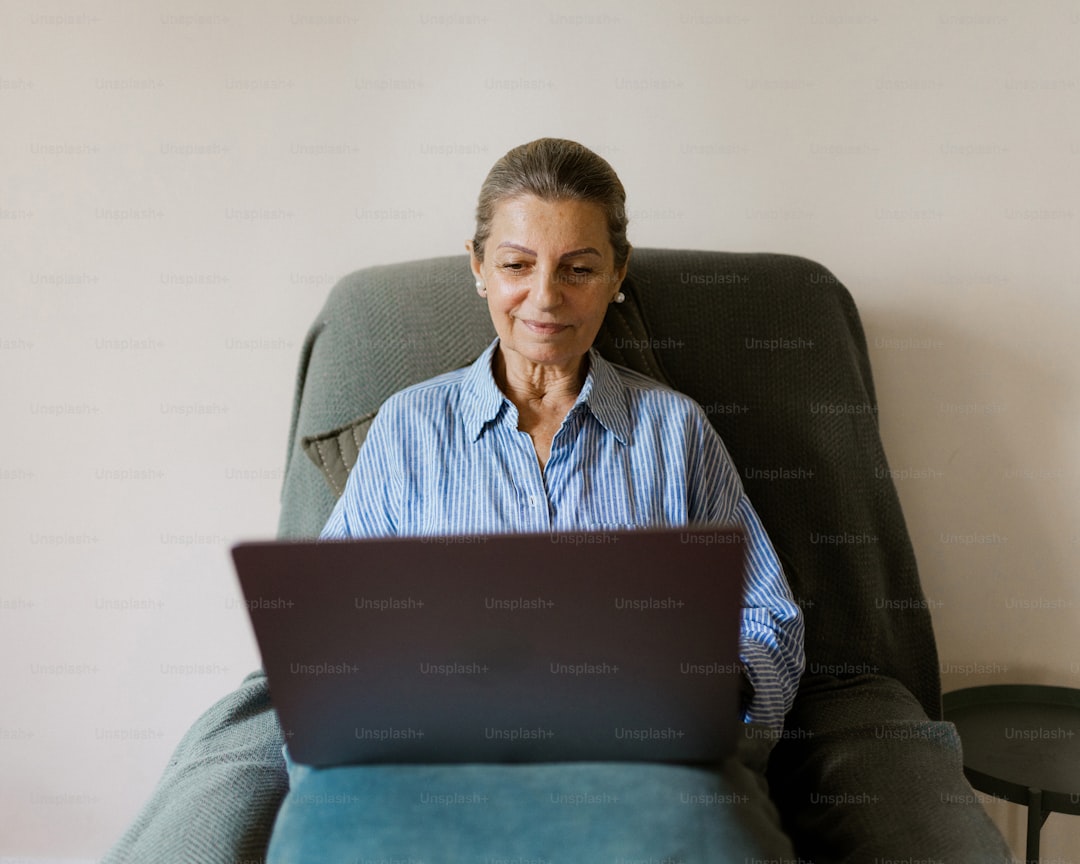
So you are working as a therapist from home. You help people through your computer screen. It feels good to help others, right? But here is something no one tells you: sitting in front of a camera all day can really drain your energy. I know because I have been there. You finish one session, take a deep breath, and then the next video call starts. Before you know it, your brain feels like it is full of cotton. Your eyes are tired. Your shoulders are tight. You wonder if you can keep doing this every day.
The truth is, telehealth therapy is amazing. You can work in your pajama pants, no commute, and help clients from all over. But it can also wipe you out if you do not take care of yourself. So let me share some simple ways to manage your energy while doing therapy from home. These are things I learned the hard way, and I hope they help you too.
First, remember that your body is not meant to sit still for hours. When you do in-person therapy, you move around. You walk to the waiting room. You stand up to greet someone. You gesture with your hands. All that movement keeps your blood flowing. But at home, you might just sit in one chair for six straight hours. That is hard on your back, your eyes, and your mind. So try this: between each session, stand up for at least two minutes. Walk to the kitchen. Stretch your arms above your head. Look out the window at something far away. Your eyes need a break from the screen, and your brain needs a reset. Even a tiny walk around your desk can make a big difference.
Second, set clear boundaries for yourself. When you work from home, the line between work and life can get blurry. You might think, I can fit in one more session because I am already here. Or you might answer client messages at nine at night. That is a fast way to burn out. I learned to treat my home office like a real office. When my work hours are over, I close my laptop. I put it away in a drawer if I can. I do not check emails after a certain time. This tells my brain, work is done. It helps me relax and actually rest. Your clients will understand if you have office hours. You are a human, not a machine.
Another thing that helps is taking care of your body before and during work. Eat a real lunch, not just a granola bar while you chat. Drink water throughout the day. Keep a big water bottle on your desk and sip it between sessions. When you are dehydrated, you get tired faster. Also, think about your lighting. If your room is dark, your eyes strain more. If it is too bright, you might get headaches. Find a spot with natural light if you can. It lifts your mood and helps you feel more awake.
Do not forget to take a real break. I used to think I could just power through all day. But by three in the afternoon, I could barely form sentences. Now I schedule a thirty-minute break every few sessions. During that break, I do not look at any screen. I might go outside for a short walk. I might sit in silence and just breathe. Sometimes I even take a quick nap. Yes, a power nap can totally recharge you. Even ten minutes can help your brain reset. Give yourself permission to stop for a bit. You will come back to your next session feeling more focused and patient.
Let us also talk about the emotional cost. When you listen to heavy stories all day, it takes something out of you. You carry other people’s pain. That is normal. But you need to let it go after the session ends. One trick I use is a mental closing ritual. At the end of each session, I take a deep breath and imagine I am putting the client’s story into a safe box in my mind. I tell myself, I did my best for them. Now their story stays with them, not with me. Then I close my notebook or log off. This helps me not carry their worries into my dinner time.
Finally, be kind to yourself. You are doing important work. But you can only help others if you have energy left for yourself. So check in with your body during the day. Are your shoulders up by your ears? Drop them. Are you clenching your jaw? Relax it. Little moments of checking in can keep you from getting totally worn out.
Energy is like a battery. Every session uses some of that battery. If you do not plug yourself back in, you will run out. So plug in by resting, moving, eating well, and setting clear work hours. You deserve to feel good while doing this work. Telehealth therapy can be a wonderful career, but only if you take care of the person behind the screen. That person is you. And you matter.