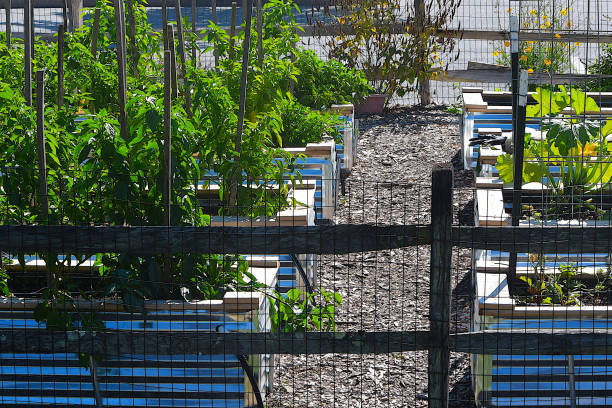
Imagine a piece of empty land in your neighborhood. Just dirt, maybe some weeds, and a bunch of trash. You walk past it every day and think, “Someone should do something with that spot.“ Well, what if that someone was you? That is the heart of community organizing. It is not about being a boss or a president. It is about looking around, seeing what people need, and working together to make it happen. And one of the best places to start is with a community garden.
You might wonder what a garden has to do with social work. The answer is a whole lot. Community organizing is a big part of the social work world. It is a way to help people, not just one person at a time in an office, but whole groups of people at once. It is about finding what is broken in a town or a neighborhood and helping folks fix it themselves. A garden is a perfect example. It is not just about growing tomatoes. It is about growing pride, health, and connections.
Let me walk you through how this might work. Say you are a social worker, or maybe you are just someone who wants to help. You notice that your neighborhood does not have a grocery store with fresh food. People have to drive a long way or take two buses just to get a head of lettuce. That is a problem. You could sit and complain about it, but you are an organizer. You decide to do something.
First, you talk to people. Not in a fancy meeting with a microphone. You go to the park. You knock on doors. You chat with folks outside the laundromat. You ask simple questions. “What do you think about our neighborhood?“ “What would make life better for your kids?“ “Do you ever wish you could grow your own food?“ You listen. You listen a lot. Because community organizing is not about you having all the answers. It is about helping people find their own voice.
Very quickly, you will hear the same things over and over. People want fresh food. They want a safe place for kids to play. They want to know their neighbors. That is when you bring up the empty lot. You say, “What if we turned that into a garden?“ Some people will laugh. Some will say it is impossible. But you keep talking. You find the person who used to garden with their grandma. You find the teenager who wants to learn landscaping. You find the retired guy who has a pickup truck and is willing to haul dirt.
Now the real organizing begins. You have to get permission from the city. That takes meetings and phone calls and maybe a little bit of frustration. You have to raise money for seeds and tools and a water hose. You have to ask local businesses for donations. This is the work. It feels slow sometimes. But every phone call, every meeting, every yes you get is a brick in the wall. And suddenly, the wall starts to look like a garden.
One Saturday morning, everyone shows up. The teenager with the pickup truck brings three loads of soil. The grandma brings tomato seedlings she grew on her porch. A dad from down the street brings a shovel. Kids are digging holes. Someone is making lemonade for everyone. You are just standing there, holding a clipboard, but really you are watching something magical. People who never talked to each other before are now laughing and working side by side. That is community organizing. That is change.
And here is the best part. A year later, that garden is still there. People are eating vegetables they grew themselves. Kids know their neighbors by name. The empty lot went from a place that made people sad to a place that makes people proud. Did you plant all those seeds yourself? No. But you helped make it possible. You connected people. You showed them they had power. That is the real job of a social worker in the community.
So if you ever wonder if one person can make a difference, think about that empty lot. Think about the garden that grew because someone cared enough to ask a simple question. You do not need a fancy degree to start. You just need to look around, listen, and be brave enough to invite other people to join you. That is where real change begins. Not in a big office building downtown. But right there in the dirt, with a shovel in your hand and a whole bunch of neighbors by your side.