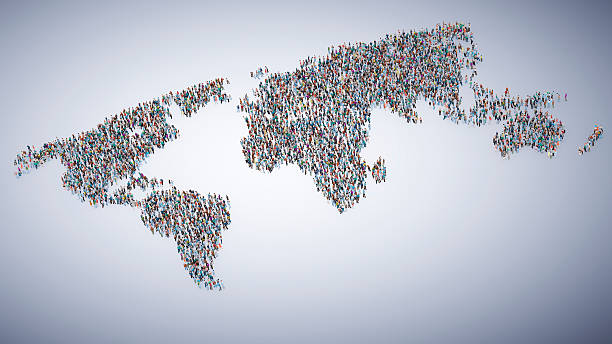
When I first heard the words “macro social work,“ I thought it meant working with giant computers. It doesn’t. It means looking at the big picture. Instead of helping one person, you help a whole group of people by changing the rules, the systems, and the places where they live. If many people have the same problem, maybe the problem is not just them. Maybe the system needs to change.
Think about a family that can’t find a safe, affordable place to live. A social worker who helps one-on-one might help them fill out papers, find a shelter, or talk to a landlord. That work is important. But a macro social worker asks a bigger question. Why are there so few affordable homes? Who makes the rules about rent? What can we do to make more homes? Then they work with others to fix that.
Macro social work is about people coming together. You might work in a community group, a nonprofit, a government office, or a school. You might help neighbors talk about what they need. You might plan a meeting. You might ask people to share their stories with leaders. You might help write a new rule that makes life fairer. You might study numbers to show what is happening. You might train people to speak up for themselves. The goal is not to be the hero. The goal is to help people have power over their own lives.
One thing I like about macro social work is that it listens first. It does not say, “I know what you need.“ It asks, “What is hard for you? What would help? Who else is dealing with this?“ Then it brings people together. Maybe they want a better bus route to get to work. Maybe they want a park where kids can play. Maybe they want safer housing. Maybe they want a program that helps people find jobs. The answer comes from the community, not from a book.
Macro social workers also think about how things connect. A person might miss work because they have no child care. A child might miss school because the family has no car. A neighborhood might have no grocery store, so people buy food at a gas station. These are not just personal problems. They are big picture problems. Macro social work tries to connect the dots and find a fix that helps many people at once.
Does this sound slow? Sometimes it is. You might work for months on a plan and see only a small change. You might go to a lot of meetings. You might hear “no” more than once. But small changes add up. A new bus line can help hundreds of people. A new law can help thousands. A new program can help a whole town. That is the power of the big picture.
You do not need to be a lawyer or a mayor to do this work. You need to care about people. You need to listen. You need to be patient. You need to work well with others. You need to speak up, even when your voice shakes. You can start small. Join a group that helps your neighborhood. Go to a city meeting. Ask questions. Learn how decisions get made. Volunteer for a cause you believe in. Talk to people who do this work. Little by little, you will learn how to make change.
Macro social work can be a career, but it can also be a way of thinking. It reminds us that we are not alone. When one person struggles, it often points to something bigger. When we fix that bigger thing, we help more than one person. We help families, friends, and neighbors. We help the next person who walks into the same problem. We help our whole community breathe a little easier.
If you want to help people but you also want to change the rules that hurt them, macro social work might be for you. It is not about being famous. It is about being part of something bigger than yourself. It is about asking, “What can we do together?“ And then doing it, one step at a time.