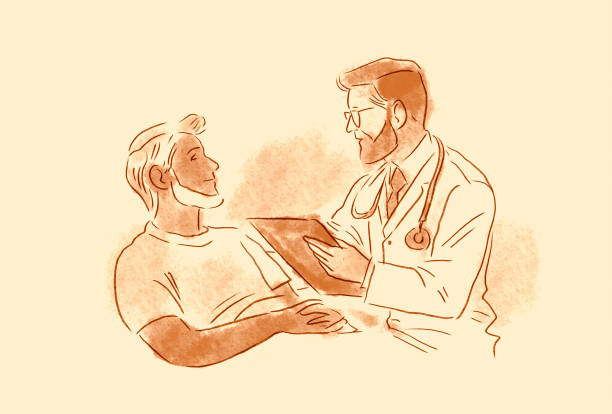
Maybe you love listening to people. You want to help them feel less alone. A job as a licensed mental health counselor could be a good fit. But what does it take? Let’s walk through it in plain words.
First, you need to like people. You do not need to be perfect. You need to be curious, kind, and patient. You will hear sad stories. You need to take care of yourself.
After high school, you usually get a bachelor’s degree. It can be in psychology, education, or something else. Volunteer at a hotline, after-school program, or shelter. That helps you see if you like the work.
Next, most states require a master’s degree in counseling or a related area. This usually takes two to three years. You learn about how people grow, how groups work, how families work, and how to listen well. You also do an internship. You practice with real people while a supervisor watches over your work.
After you finish your degree, you need to get licensed. Each state has its own rules. You will likely need to work for a certain number of hours under a licensed supervisor. You may need to pass a test. You will fill out forms and pay fees. It can feel slow. But the license protects people. It shows you met the rules to practice safely.
Licensed mental health counselors work in many places. Some work in private offices. Some work in schools, hospitals, community centers, drug and alcohol programs, or online. You might help people with worry, sadness, grief, relationships, stress, or big life changes. You might work with kids, teens, adults, couples, or families. You might just sit and listen.
What is a normal day? You may start with notes from yesterday. You meet with a client. You listen. You ask gentle questions. You help them make a plan. You may teach a breathing skill. You may help them talk to a family member. Then you write notes. You meet another client. You check in with a supervisor. You go home. Some days are heavy. Some days are light. You learn to leave work at work.
You do not tell people what to do. You help them find their own answers. You do not fix them. You walk with them while they do hard work. That can be a gift. It can also be tiring. So you need good boundaries. You need friends, hobbies, sleep, and maybe your own counselor. That is not weak. It is smart.
Money and time: School costs money. The path takes time. You may not make a lot at first. But you can build a career. You can work in places that offer loan help. You can work part-time while you study. You can ask people in the field what they did.
Is this job for you? Ask yourself: Do I like listening more than talking? Can I stay calm when someone is upset? Can I keep private things private? Can I keep learning? Can I take care of myself? If you say yes to most of these, you may be a good fit.
The best part? You get to see people grow. You get to see small wins. A person who could not leave the house goes to the store. A teen who felt alone makes a friend. A parent learns to stay calm. You may not see every win. But you plant seeds. That matters.
The hard part? You cannot help everyone. Some people do not come back. Some stories stay with you. You need support. You need to know your limits. You need to rest. A good counselor is not a hero. A good counselor is a steady person who keeps learning and cares.
If you want to become a licensed mental health counselor, start small. Talk to a counselor. Volunteer. Read about classes. Ask questions. Take one step. Then another. You do not have to know everything today. You just need to begin. This career is not easy, but it is full of meaning. You can make a real difference, one person at a time, one hour at a time.