So, you are thinking about becoming a therapist. That is a really big and brave goal. You want to help people feel better, figure out their problems, and find their way in the world. But here is a secret that a lot of new students don’t think about. How do you practice being a therapist before you are actually one? You cannot just start with a real person and say, “Okay, let me try out this whole listening and helping thing.“ That would be like learning to fly a plane while you have passengers on board. It is just not a good idea. That is where a very cool tech tool comes in. It is called Virtual Reality, or VR for short. And it is becoming a super helpful way for people like you to train for a job in therapy, all from the comfort of your own home.
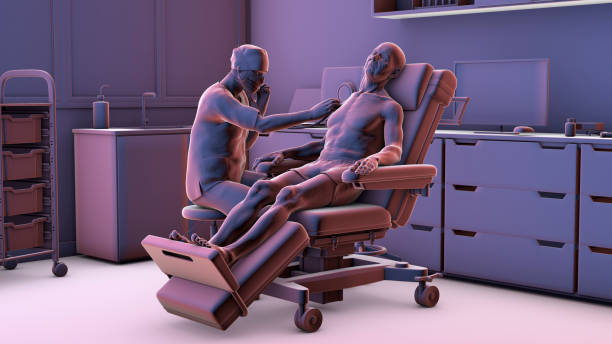
Imagine putting on a special headset. The world around your couch disappears. Suddenly, you are sitting in a quiet office. Across from you is a person, except they are not a real person. They are a computer person, called an avatar. But this avatar can talk to you. They have a problem. Maybe they are very sad. Maybe they are really nervous. Maybe they are angry about something their boss did at work. Your job is to talk to them. You have to use your listening skills. You have to ask the right questions. You have to try to help them calm down. And here is the best part. If you mess up, it is totally fine. The avatar will not be hurt or upset. You just press a button and try again.
This kind of practice is called a simulation. It is like a video game, but instead of fighting dragons, you are fighting tough feelings. The really amazing thing about using VR for your training is that it takes away the fear. When you are learning a new job, the scariest part is often talking to the very first real client. You might be scared you will say the wrong thing. You might worry you will freeze up and forget what to do. But after you have practiced with a virtual client a bunch of times, that real person feels a lot less scary. You have already done it. You know you can handle it. The VR headset is like training wheels for your therapist brain.
Here is another way it helps. In real life, things can get distracting. A dog might bark outside. A phone might ring. Your client might start crying really hard and you are not sure what to do. In a VR training, the computer can throw these things at you on purpose. It might make your virtual client start crying just to see if you can stay calm. It might make a loud noise in the background to see if you can keep your focus. This is called training for “real world” problems. It helps you build a thick skin, but in a good way. You learn how to stay calm and focused no matter what happens around you.
Also, think about body language. A lot of how we communicate is not with words. It is with how we sit, how we look at someone, and how we move our hands. In a VR session, the computer can show you a client who is looking down at the floor, or who is crossing their arms tight. It can show you someone who is fidgeting a lot. You have to learn what these signs mean. Are they nervous? Are they hiding something? Are they just cold? Practicing reading an avatar’s body language is a fantastic way to get good at reading a real person’s body language later on. It trains your eyes to see the little clues.
And the biggest benefit for someone taking online classes is that you can do all of this from your room. You do not have to drive to a special school building or a lab. You just put on the headset, and you are in a therapy office. You can practice at ten o’clock at night. You can practice on a Saturday morning. You can do it in your pajamas if you want to. The VR headset takes you where you need to go, without you ever leaving your house.
So, as you look at different online degree programs, keep an eye out for ones that use virtual reality. It might sound like science fiction, but it is one of the best tools you can use to get ready for the real job. It lets you be a student first, so you can be a confident helper second. It gives you a safe place to make mistakes. And it helps you learn the super important skill of just being with someone, even when they are having a tough time. That is a skill no book can teach you. You have to practice it. And VR is a fun, friendly, and safe way to do just that.