If you are thinking about becoming a therapist, you might have heard that you need something called “clinical hours.” That can sound scary. It sounds like a lot of time sitting in a stuffy office, taking notes, and hoping you do everything right. But here is the good news: nowadays you can do a lot of those hours right from your own home. Yes, really. Virtual clinical hours are a thing, and they can be just as real and helpful as the old-fashioned way. Let me tell you how it works, and why it might be a great fit for you.
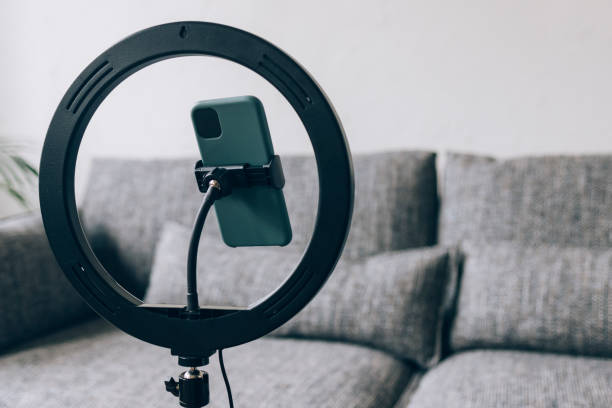
First, what are clinical hours anyway? They are the hands-on part of your training. In a therapy degree program, you learn all the theories and techniques in class. But at some point you have to actually practice with real people. That is where clinical hours come in. You talk to clients, you listen, you help them figure things out, and you have a supervisor watching over you to make sure you are on the right track. In the past, you had to drive to a clinic or a hospital to do this. Now, because of video calls and secure online platforms, you can do it from your couch, your kitchen table, or even a quiet corner of your bedroom.
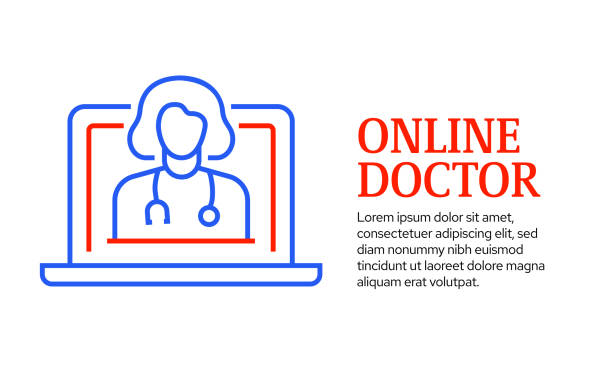
So how do you get these virtual clinical hours? Usually your school will help you find a site that offers remote therapy services. You might work with a community mental health center that has an online program. Or you might do your hours through a private practice that sees clients over video. During your sessions, you will be on a secure video call with the client. Your supervisor can either watch live or review a recording later. They give you feedback on what you did well and what you could improve. It feels a lot like having a coach for your therapy skills.
One big question people have is: “Is it as good as being in person?” The honest answer is that it is different, but not worse. Some clients actually prefer video sessions because they feel more comfortable in their own home. You get to see their real environment, their pet might wander in, and that can make the connection more genuine. For you as a trainee, you also get to practice something that is becoming very common in the real world. More and more therapists offer online sessions now. So learning to do it well during your training gives you a big head start.
Another great thing about virtual clinical hours is the flexibility. You do not have to spend time driving to a clinic. That saves you gas money and stress. You can schedule sessions around your other classes or your job. Many programs let you do a mix of virtual and in-person hours, so you can get both experiences. Some schools even have “simulation labs” where you practice with actors who pretend to be clients. They do this over video too. It feels like a video game, but you are actually learning real therapy skills.
Of course, there are some things you need to be careful about. You need a private space where no one will interrupt. You need a good internet connection, because a frozen screen during a serious moment is not fun. You also need to learn how to read body language through a small screen. That takes practice. But your supervisor will help you with that. And honestly, most people get the hang of it pretty quickly.
The most important part is that you are still helping people. When you do your virtual clinical hours, you are making a difference in someone’s life. You might be the first person who really listens to them. That feeling does not change whether you are in the same room or a thousand miles away. So if you are worried about how to get those hours, don’t be. Virtual options are real, they are accepted by licensing boards, and they are a great way to start your therapy career without leaving your house.
Your journey to becoming a therapist is possible. You just need the right training and a little courage to try something new. And with online clinical hours, you can get that training in a way that fits your life. So take a deep breath, get your webcam ready, and know that you are on your way to making a real difference.