You know that feeling when a song says exactly what you feel? You might not have words for it. Your chest gets tight. Your eyes get wet. Or you feel light and free. That is where music therapy comes in. It uses sound to help people with their mental health.
Music therapy is not just listening to music. It is a type of mental health counseling that uses sound. A trained music therapist works with you. You do not need to be a musician. You do not need to sing well. You just need to be open. You can be anyone. You can be any age.
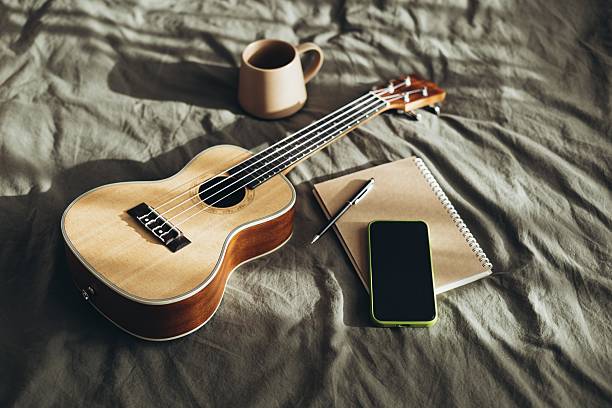
In a session, you might hum, tap, drum, play piano, write a song, or pick songs to talk about. The therapist listens. They help you notice what comes up. Maybe a fast drum beat shows anger. A slow melody shows sadness. A steady rhythm can feel like safety. You do not have to explain everything at once. The music can speak first.
Why does sound help? When we are upset, words can get stuck. Music goes around the stuck part. It reaches feelings in a different way. Your brain and body respond to rhythm. Your breath can slow down. Your shoulders can drop. Your heart can settle. This can make it easier to talk later. It can also help you feel calm right now.
Music therapy can help with many things. It can help with stress, grief, worry, low mood, and tough memories. It can help people who have trouble speaking. It can help kids, teens, adults, and older adults. It can be done one-on-one or in a group. In a group, people can play together and feel less alone. They can share a beat. They can share a song. They can share a moment.
What does a session look like? First, you and the therapist talk about what you need. Maybe you want to feel calmer. Maybe you want to understand your feelings. Then you make music. It might feel strange at first. That is okay. You can start with one drum hit. You can start with one deep breath. The therapist meets you where you are. There is no wrong note. The goal is not a perfect song. The goal is your well-being.
You might wonder if this is for you. If you love music, maybe. If you do not know much about music, still maybe. Music therapy is for people who want help with feelings. It can be part of mental health counseling. It can work with talking therapy, not instead of it. A good therapist will explain what they do. They will ask what you want. They will keep you safe. They will move at your speed.
How can you find a music therapist? You can ask a doctor, school counselor, or mental health clinic. You can look for someone who is trained and licensed. Ask questions. Do you work with my age group? What happens in a first session? Do I need to bring an instrument? You can bring your own music if you want. You can also use theirs. You can ask if they take your insurance. You can ask about cost. It is okay to ask.
At home, you can use music as a simple tool. Notice how a song makes you feel. Make a calm playlist. Make a strong playlist. Hum while you wash dishes. Tap your feet. Sing in the car. This is not the same as music therapy, but it can help. It can remind you that sound is always nearby. It can be a friend when words are not enough.
Healing through sound is not magic. It takes time. Some days you might feel better. Some days you might feel tired. That is normal. The point is to keep showing up for yourself. Music can hold a space for your feelings. A music therapist can walk with you. You do not have to be perfect. You just have to be you. And that is more than enough to start. You can start today by taking one slow breath and listening.